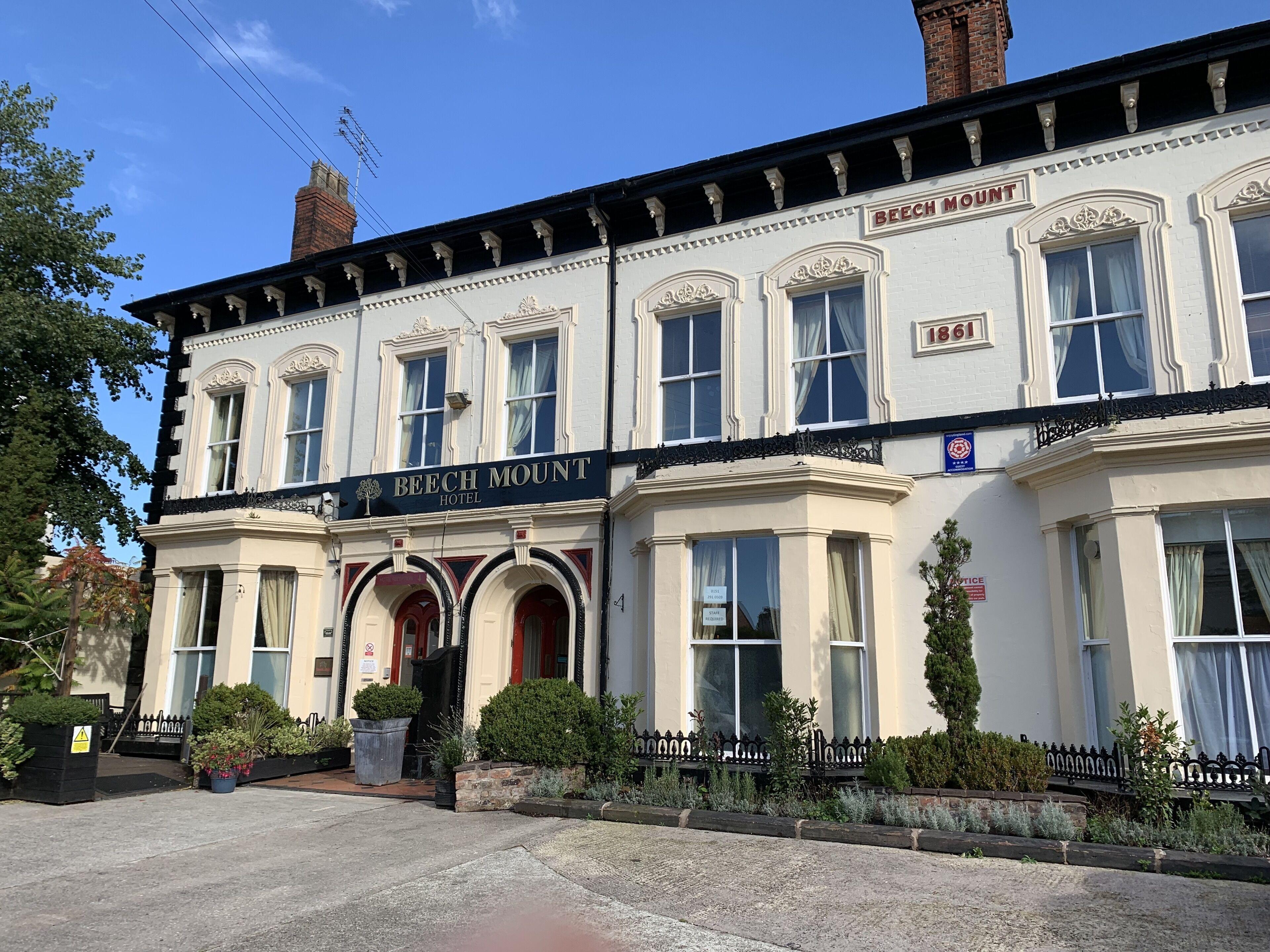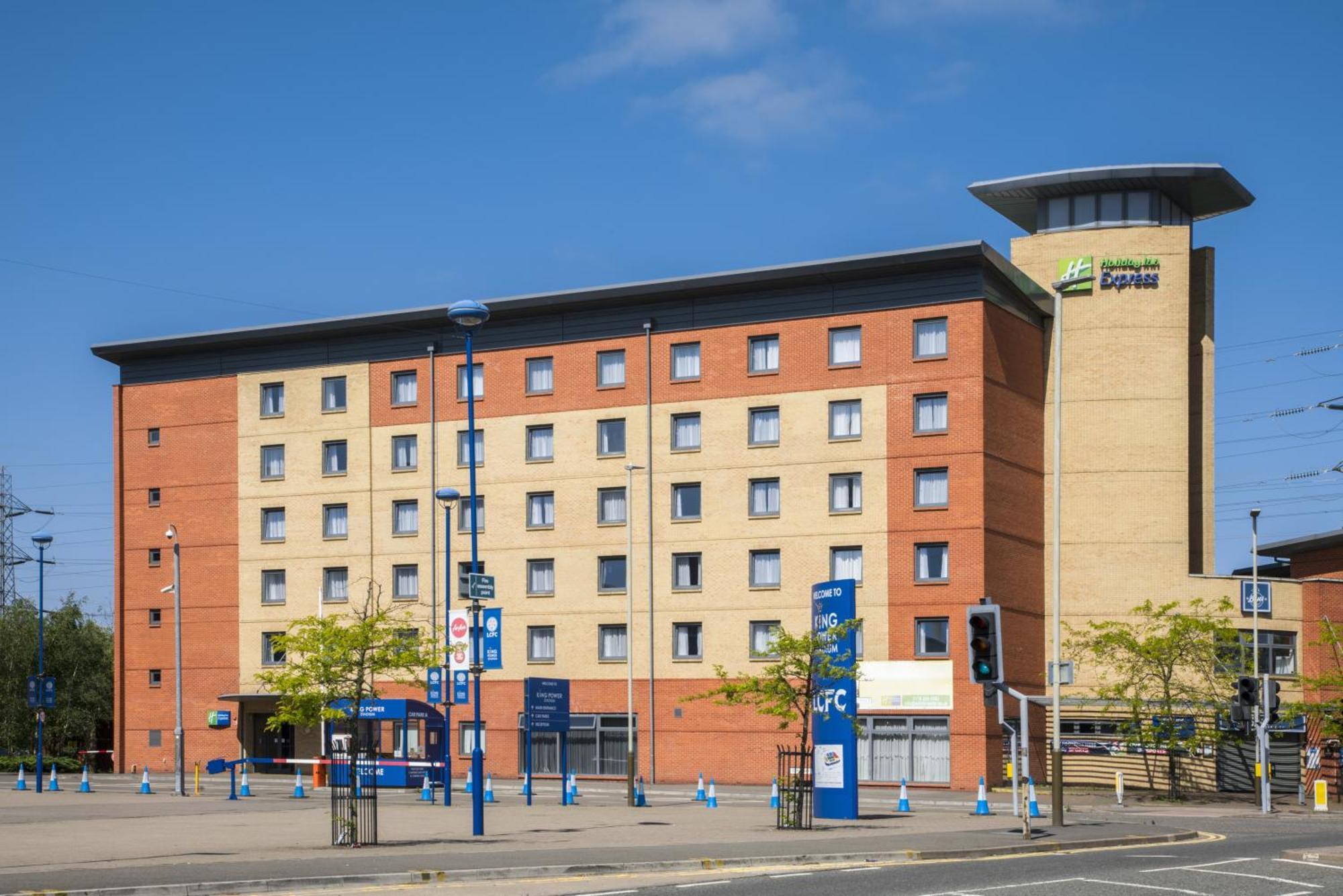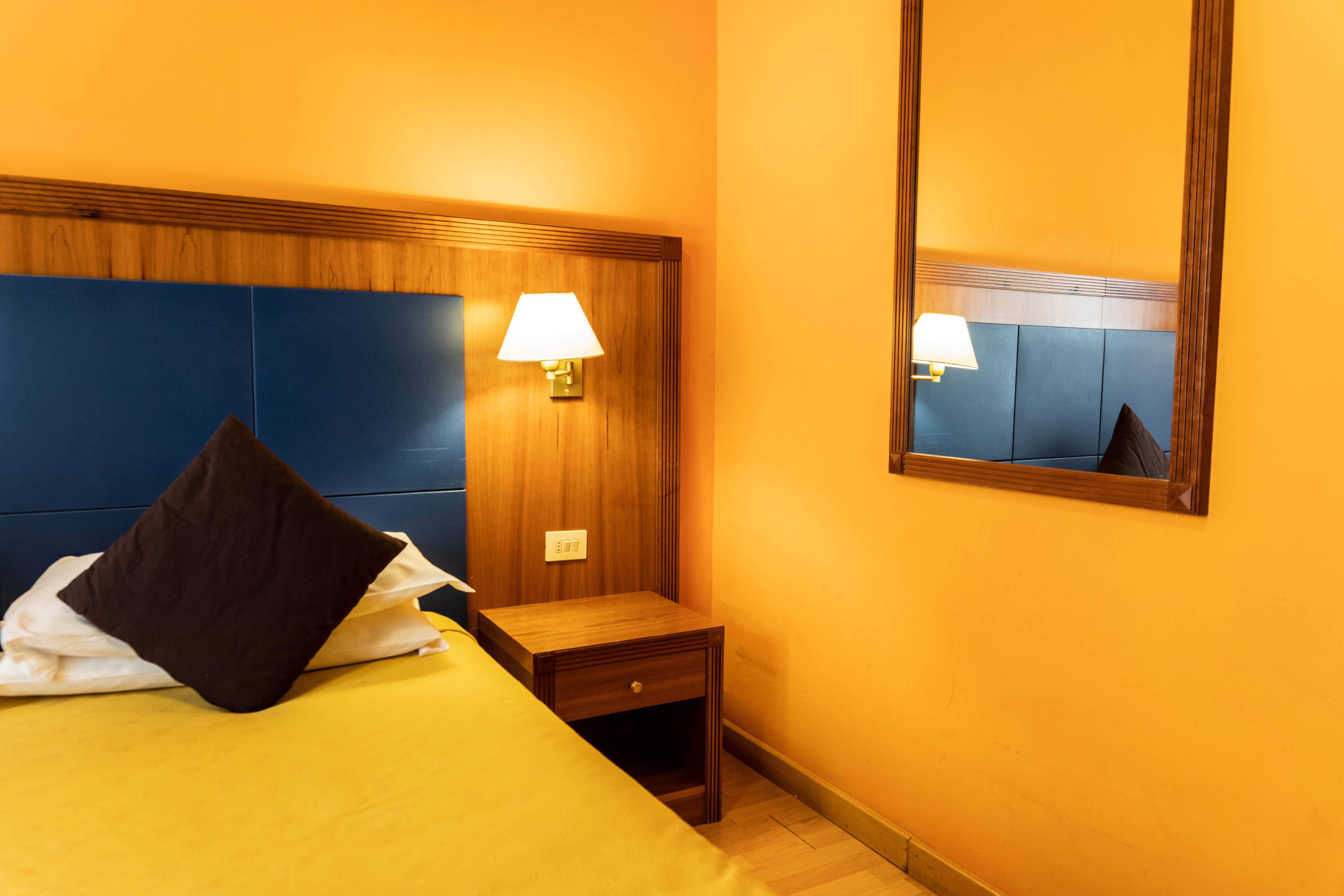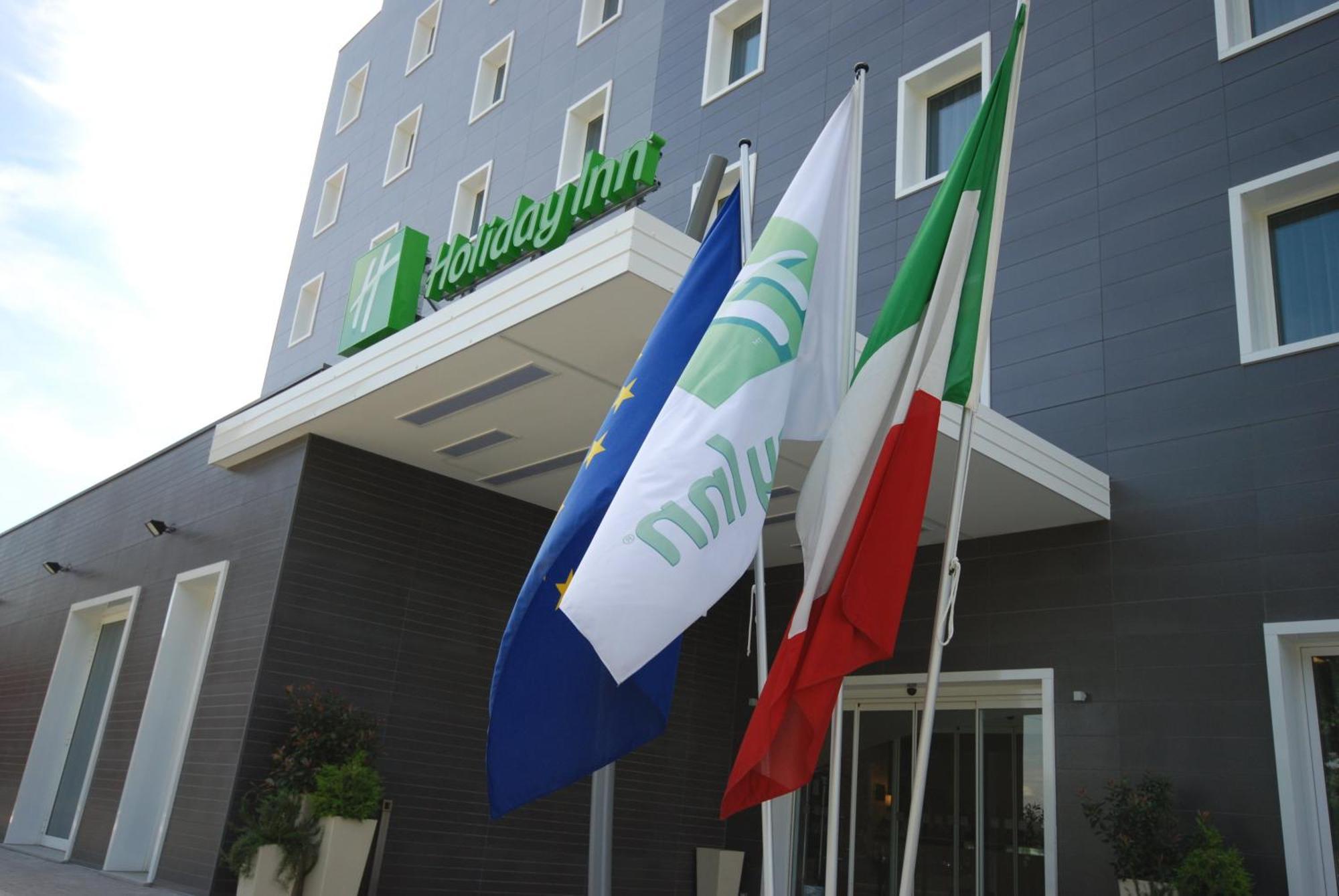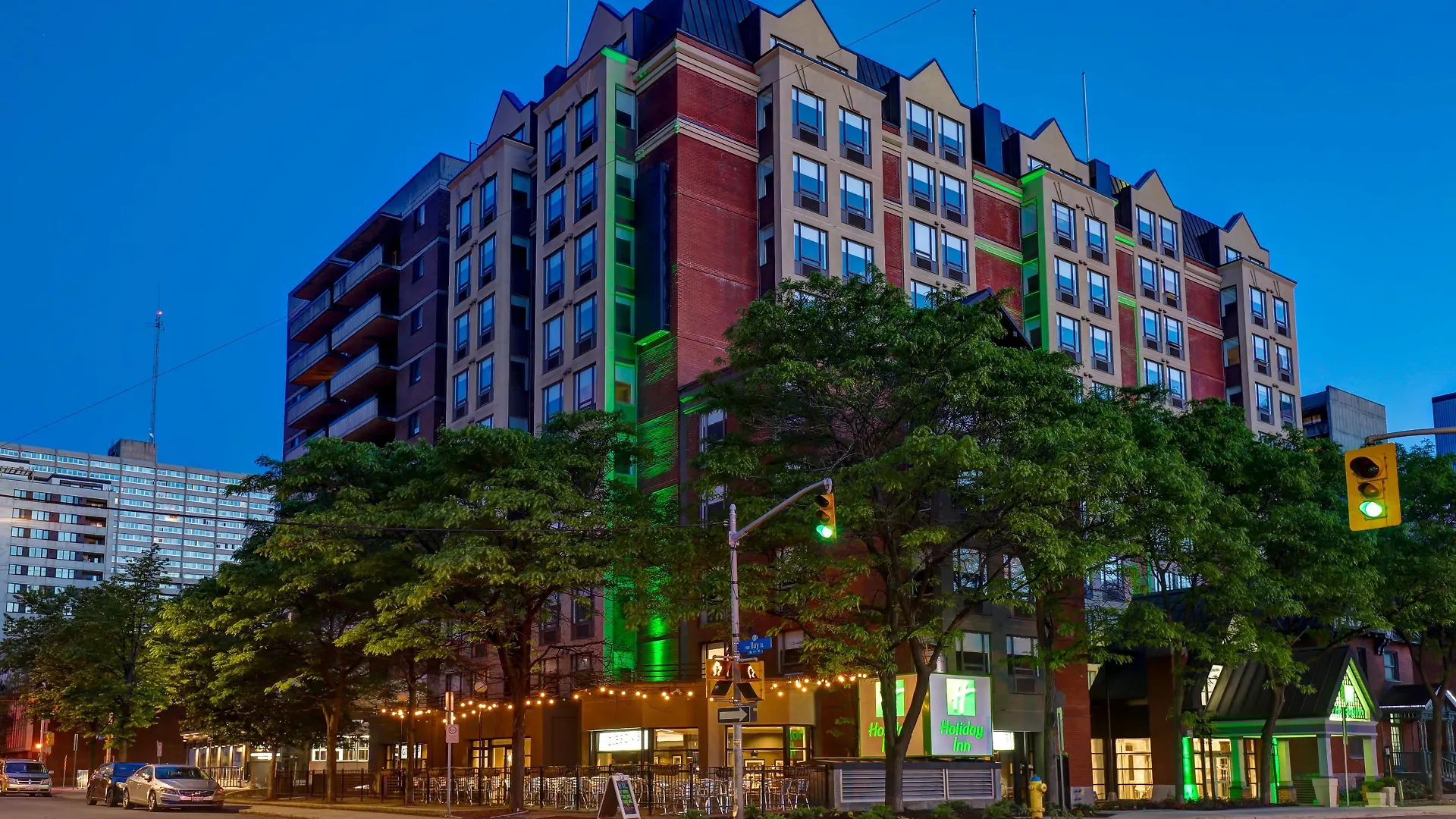
Downtown Ottawa packs Parliament Hill, the Rideau Canal, the National Arts Centre, and the ByWard Market into a walkable core that very few capital districts can match. The design hotels in this area sit close to all of it - but the real question is which property positions you best for how you plan to move through the city, and what you are genuinely getting for the price.
What It's Like Staying in Downtown Ottawa
Downtown Ottawa is compact enough that most landmarks are within a 15-minute walk of each other, but the experience shifts noticeably depending on which block you are on. Parliament Hill anchors the western edge, while the ByWard Market pulls foot traffic to the northeast - staying between these two poles means you are never more than 20 minutes on foot from either. The area is busy with government workers on weekdays and tourists on weekends, so noise levels and street activity change throughout the week rather than peaking only on evenings.
Travelers who need to cover multiple attractions in one day gain the most from a downtown base. Those seeking quieter surroundings or larger room sizes at lower rates will find better value in neighborhoods like Glebe or Centretown just south of the core.
Pros:
- Walking access to Parliament Hill, Rideau Canal, and the National Arts Centre without needing transit
- High concentration of restaurants, bars, and cultural venues within a 10-minute radius
- OC Transpo bus lines and the O-Train Confederation Line connect the core to the airport and outer neighborhoods quickly
Cons:
- Weekend crowds near ByWard Market create significant noise until late at night on Fridays and Saturdays
- Downtown parking is expensive and limited - around CAD 30 per day in most hotel facilities
- Room rates spike sharply during Canada Day (July 1st) and major parliamentary events, with little last-minute availability
Why Choose Design Hotels in Downtown Ottawa
Design hotels in this district are not just about aesthetics - they tend to offer a more deliberate spatial experience than standard chain properties, with curated lobbies, locally influenced interiors, and food-and-beverage programs that reflect the city rather than ignore it. In Downtown Ottawa specifically, design-focused properties occupy heritage or landmark buildings that carry architectural weight, which adds a layer of context you do not get in a generic tower. Room sizes in boutique-leaning design hotels here average smaller than full-service chains, but the finish quality and layout efficiency typically compensate. The trade-off is that amenity sets like lap pools or children's playrooms are more commonly found in the larger branded properties in the same area.
On pricing, design hotels in the downtown core generally sit in the same tier as 4-star branded properties, but some offer stronger value during shoulder season when corporate demand drops. Travelers prioritizing atmosphere and walkability over square footage will find this category well-suited to the Ottawa downtown grid.
Pros:
- Architecturally distinctive properties that reflect Ottawa's civic identity rather than generic hospitality templates
- Food-and-beverage offerings tend to be more locally oriented than standard hotel restaurants
- Central positioning means zero transit costs for most sightseeing days
Cons:
- Smaller room footprints compared to full-service chain hotels in the same price bracket
- Fewer family-specific amenities such as children's pools or dedicated play areas
- Some properties have limited on-site parking - a real constraint for road-trip arrivals
Practical Booking & Area Strategy
The strongest positioning for design hotels in downtown Ottawa sits along Elgin Street and the blocks between Sparks Street and the Rideau Canal - this corridor gives you walkable access to the National Arts Centre, the canal skating rink in winter, and Parliament Hill without crossing any major transit barriers. Elgin Street itself runs parallel to the canal and connects directly to Confederation Boulevard, which links most of the major federal landmarks. Hotels within two blocks of this axis typically require no transit at all for a standard sightseeing itinerary.
For the ByWard Market area - Ottawa's most active dining and nightlife district - properties closer to Sussex Drive will save you a 15-minute walk each evening. If you are arriving by air, Ottawa International Airport sits around 20 minutes by car from downtown, and the 97 Express bus connects to the Confederation Line at Hurdman Station. Book at least 6 weeks ahead for any visit around Canada Day, the Ottawa International Jazz Festival in late June, or Winterlude in February, when downtown occupancy hits its ceiling and rates across all categories climb significantly.
Best Value Stays
These properties offer strong downtown positioning and solid amenity sets at a more accessible price point, with room configurations that work well for both short and multi-night stays.
-
1. Holiday Inn - Ottawa Dwtn - Parliament Hill By Ihg
Show on map


 Check-infrom 15:00 until 23:59Check-outuntil 11:00
Just a few rooms left at the best rate!
fromC$ 155
-
2. Arc The Hotel
Show on map


 Check-infrom 15:00 until 23:59Check-outuntil 11:00
Just a few rooms left at the best rate!
fromC$ 120
Best Premium Stays
These three properties offer the most complete amenity packages in downtown Ottawa, with full-service facilities, multiple dining options, and room configurations suited to both leisure and business travelers.
-
3. Lord Elgin Hotel
Show on map


 Check-infrom 16:00 until 23:59Check-outuntil 12:00
Hurry – almost gone at this price!
fromC$ 177
-
4. Ottawa Marriott Hotel
Show on map


 Check-infrom 15:00 until 23:59Check-outuntil 12:00
Hurry – almost gone at this price!
fromC$ 166
-
5. Delta Hotels By Marriott Ottawa City Centre
Show on map


 Check-infrom 15:00 until 23:59Check-outuntil 12:00
Rooms filling fast – secure the best rate!
fromC$ 119
Smart Travel & Timing Advice for Downtown Ottawa
Ottawa's downtown hotel market follows a clear seasonal rhythm driven by federal government activity, major festivals, and winter tourism. Late June through early July is the most congested and expensive period - Canada Day on July 1st draws massive crowds to Parliament Hill, and rooms across all design hotel categories in the core sell out weeks in advance. The Ottawa International Jazz Festival in late June compounds demand in the same window. Winterlude in February is the next major spike, with the Rideau Canal skating rink drawing visitors to the downtown core when hotel rates climb again.
Shoulder seasons - mid-September through October and April through May - offer the most favorable conditions: lower occupancy, more negotiable rates, and thinner crowds at major landmarks. A stay of 3 nights covers Parliament Hill, the National Gallery of Canada, the ByWard Market, and a canal walk without feeling rushed. Booking at least 8 weeks ahead for festival periods is the only reliable way to secure downtown properties at non-inflated rates - last-minute availability in peak windows is close to zero across the design hotel category.