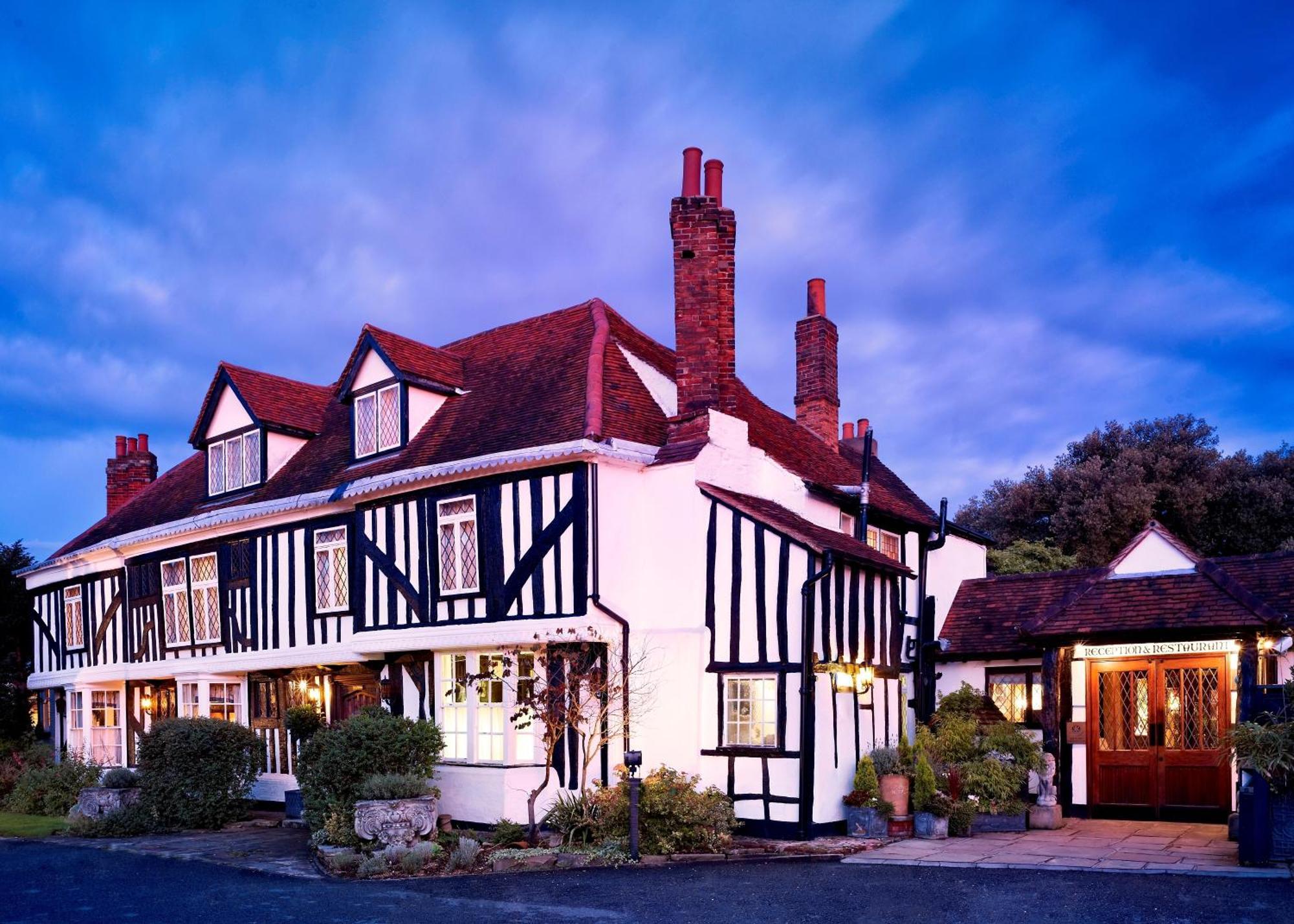
Suffolk's luxury hotel scene is built around converted historic properties - 15th-century inns, refurbished watermills, and Georgian manor houses - rather than corporate five-star towers. Travellers searching for upscale stays in Suffolk are typically drawn by the countryside, the coast around Southwold, the racing culture near Newmarket, or the heritage villages of the Dedham Vale. This guide cuts through the options to help you decide which property suits your trip, your budget, and your base.
What It's Like Staying in Suffolk
Suffolk is one of England's least congested rural counties, where the pace of travel is dictated by single-carriageway roads rather than motorway gridlock. Getting between towns like Bury St Edmunds, Ipswich, and Saxmundham takes around 45 minutes by car, so choosing your base relative to your planned activities matters more here than in urban destinations. Visitors who come for the AONB coastline, Constable Country, or Newmarket's racing calendar benefit most from staying in Suffolk itself rather than commuting from Cambridge or Colchester.
The county draws a quieter crowd - walkers, foodies, heritage enthusiasts, and weekend escapers from London - which keeps the atmosphere unhurried even during peak summer weeks. Those expecting a dense network of public transport will find it limited, making a car essentially non-negotiable for exploring villages and coastal spots.
Pros:
Suffolk's lack of mass tourism means luxury properties here offer genuine seclusion rather than performative exclusivity
The food and drink scene - local ales, fresh seafood, East Anglian vineyards - is genuinely strong and well-integrated into hotel offerings
Proximity to Newmarket, Framlingham Castle, and the Suffolk Heritage Coast gives guests multiple day-trip anchors without overlap
Cons:
Public transport between villages is sparse, making car hire a near-mandatory cost
Suffolk's luxury hotel stock is small and rooms sell out fast during Newmarket race meetings and summer coastal weekends
Dining options outside hotel restaurants can be limited in the more rural villages after 9pm
Why Choose a Luxury Hotel in Suffolk
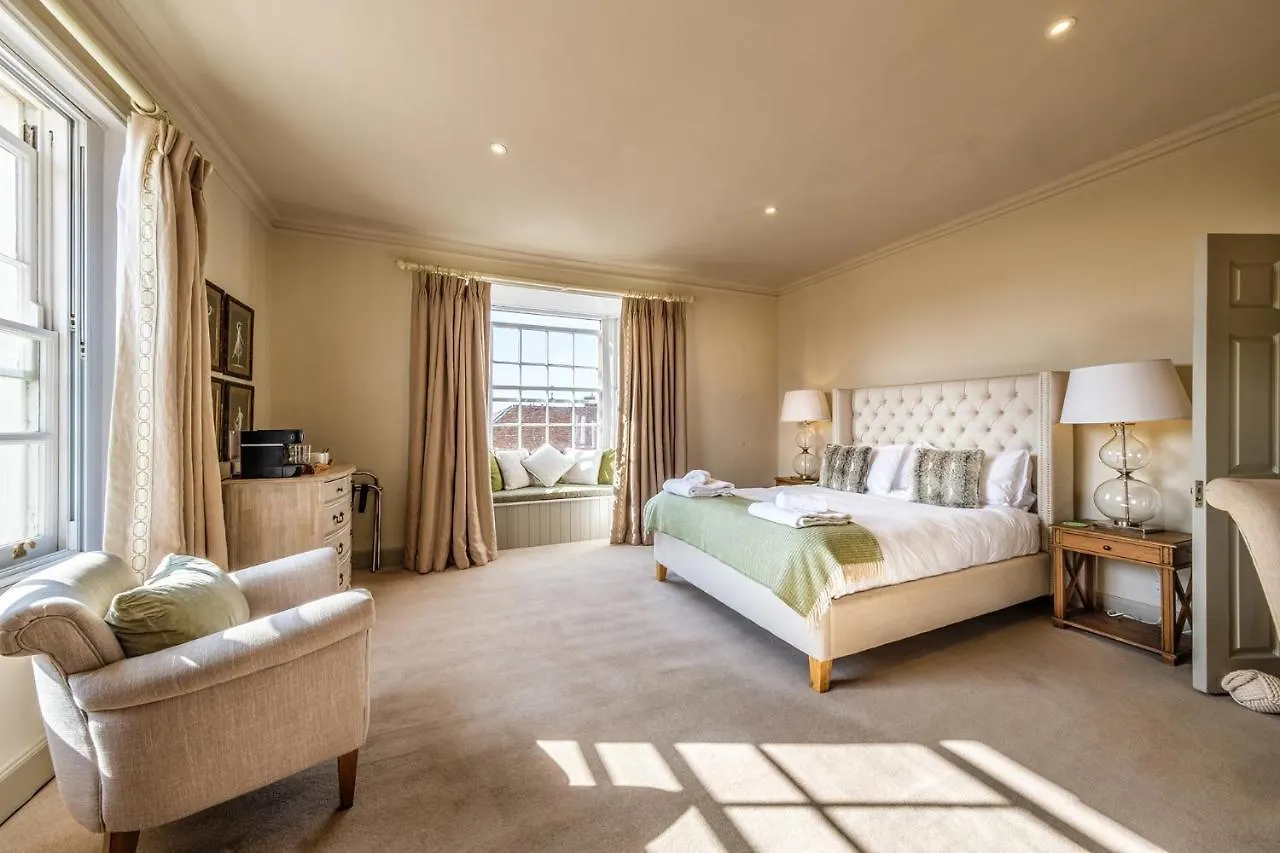
Luxury accommodation in Suffolk is almost exclusively rooted in character buildings - converted mills, coaching inns, and country houses - which means the premium you pay buys architectural authenticity, not just thread counts. Rates at Suffolk's top-tier properties typically start around £150 per night, which is considerably lower than comparable countryside hotels in the Cotswolds, and the value proposition improves sharply when you factor in free parking, full English breakfasts, and restaurant access included in many packages. Room sizes in converted historic buildings vary: mill rooms and inn suites tend to be boutique-scaled, while hall and manor properties offer more generous floor plans.
The trade-off is consistency - a 16th-century building will have uneven floors, limited lift access, and variable acoustics between rooms. Guests who prioritise standardised modern comfort over character and story should look at Ipswich's chain hotels rather than Suffolk's boutique luxury tier, where the experience is deliberately idiosyncratic.
Pros:
Conversion properties (mills, inns, halls) deliver architectural uniqueness unavailable in standard hotel formats
Inclusive breakfasts and on-site restaurants reduce total trip cost compared to self-catering or city-centre dining
Free parking across almost all Suffolk luxury properties removes a friction point common in urban luxury stays
Cons:
Historic buildings mean accessibility limitations - not all properties can accommodate step-free or lift requirements
Room configuration in converted buildings is often non-standard, so the 'same room type' can vary significantly between bookings
Spa and pool facilities are rare across the category, with only one property in this guide offering a full wellness centre
Practical Booking & Area Strategy for Suffolk
Suffolk splits naturally into three zones for luxury stays: the west around Bury St Edmunds and Newmarket for racing and heritage; the central belt around Lavenham, Long Melford, and Lavenham for wool-town architecture and Dedham Vale; and the east around Saxmundham and the Heritage Coast for coastal access and AONB walking. Ipswich functions as the county's transport hub - trains to London Liverpool Street run in around 70 minutes - but the luxury properties worth considering sit in the surrounding villages, not the city itself. Book at least 8 weeks ahead for summer weekends and any dates coinciding with Newmarket's Guineas or July Festival race meetings, when rooms across the county fill rapidly. The A12 and A14 form the main arterial routes; most properties are within 15 minutes of one of these, keeping flexibility high for day-tripping across zones.
Best Value Luxury Stays
These properties deliver strong luxury credentials - historic character, quality dining, and well-appointed rooms - at rates that represent genuine value within the Suffolk market, particularly for guests who want atmosphere and location without the premium of a full country-house estate.
-
1. The Black Lion, Long Melford
Show on map


 Check-infrom 15:00 until 18:00Check-outfrom 08:00 until 11:00
Just a few rooms left at the best rate!
from£ 156
-
2. Sibton White Horse Inn
Show on map


 Check-infrom 15:00 until 21:00Check-outuntil 10:00
Just a few rooms left at the best rate!
from£ 174
-
3. The Black Lion, Long Melford
Show on map Check-infrom 15:00 until 18:00Check-outfrom 08:00 until 11:00Just a few rooms left at the best rate!
from£ 156
Best Premium Luxury Stays
These properties sit at the upper end of Suffolk's luxury tier, offering either expanded facilities, exceptional dining credentials, or estate-level settings that justify a higher nightly rate - particularly for special occasions, longer stays, or guests who want a destination hotel rather than just a base.
-
4. Tuddenham Mill Luxury Hotel
Show on map


 Check-infrom 15:00 until 23:00Check-outfrom 07:00 until 11:00
Hurry – almost gone at this price!
from£ 131
-
5. Worlington Hall
Show on map


 Check-infrom 15:00 until 22:00Check-outfrom 07:00 until 11:00
Hurry – almost gone at this price!
from£ 101
-
6. Marquis Suffolk
Show on map


 Check-infrom 16:00 until 23:00Check-outfrom 07:00 until 11:00
Rooms filling fast – secure the best rate!
from£ 104
Smart Timing & Booking Advice for Suffolk Luxury Hotels
Suffolk's peak demand window runs from late May through early September, driven by school holidays, the Aldeburgh Festival in June, and the Newmarket racing calendar. Rates during Newmarket's July Festival can rise by around 40% compared to standard weekday pricing, particularly for western Suffolk properties near Tuddenham and Worlington. The shoulder months of April, May, and October offer the best combination of mild weather, manageable crowds, and standard pricing - and autumn light across the Dedham Vale and Heritage Coast is a genuine draw for photographers and walkers. For summer weekends, booking at least 10 weeks in advance is the reliable threshold; last-minute availability in July and August is rare across this category. A minimum stay of two nights is worth planning for to make transport logistics and the pace of rural Suffolk feel worthwhile rather than rushed.