Central London packs five of the city's most-visited districts into an area you can cross on foot in under an hour - but where your hotel sits within that zone makes a real difference to how your days play out. This guide covers five hotels across Bloomsbury, Bayswater, Kensington and Tower Hill, comparing location logic, room reality and booking value so you can choose without second-guessing.
What It's Like Staying In Central London
Staying in Central London means the Tube is rarely your only option - most major attractions sit within a 30-minute walk of any hotel in this zone, and the Underground fills that gap on rainy days or late nights. Traffic on roads like Oxford Street, Euston Road and the Embankment runs dense throughout the day, so walking or cycling often beats a taxi during daytime hours. Weekends bring noticeably heavier tourist footfall around Covent Garden, Trafalgar Square and Hyde Park, which means ambient street noise peaks on Saturday afternoons - something worth factoring in if your room faces a main road.
Hotels in Central London command a significant price premium compared to Zone 2 properties, but the trade-off is time saved on commuting to sights, which adds up across a multi-day stay. Travellers focused on maximising museum visits, West End theatre and riverside walks gain the most from a central base. Those prioritising quieter surroundings, larger rooms or a residential feel are often better served by Zones 2 or 3.
Pros:
- * Walking access to the British Museum, Hyde Park, Tower of London and Tate Modern without relying on transport
- * Night Tube runs on the Central, Jubilee, Northern, Piccadilly and Victoria lines every Friday and Saturday - no curfew on late nights out
- * Dense restaurant and pub coverage across every price point, from Soho to Bloomsbury to Bayswater
Cons:
- * Street noise is a genuine issue on A-roads and near busy junctions - rear-facing rooms matter here
- * Room sizes are noticeably smaller than equivalent-category hotels in outer zones, at the same or higher price
- * Peak tourist seasons (July-August and December) push hotel rates up sharply, reducing value for money
Why Choose These Hotels In Central London
The five hotels in this guide span three distinct micro-locations - Bloomsbury (WC1), Bayswater (W2), Kensington (SW7) and Tower Hill (EC3) - which means they serve different itinerary types despite all sitting within the Central London zone. A Bloomsbury base puts the British Museum on your doorstep and King's Cross within 10 minutes on foot, while a Bayswater or Kensington hotel gives direct access to Hyde Park, the V&A and Harrods without a single Tube ride. Tower Hill is positioned for the City of London financial district and the Tower of London, with Liverpool Street Underground just minutes away.
Room rates across these five properties range from budget-accessible 3-star options to boutique 4-star stays, giving a spread that covers solo travellers, couples and families. Mid-range rooms in this selection typically fall in the £100-£180 bracket, though prices shift considerably during school holidays and major events. The trade-off consistent across all Central London hotels in this range is room size: expect around 20 square metres in standard doubles, with family rooms offering more but at a corresponding price jump.
Pros:
- * Direct walking or 5-minute Tube access to major visitor attractions from every hotel in this selection
- * Spread of room types - singles, twins, triples, family rooms and suites - across the five properties
- * 24-hour front desks across all five hotels, relevant for early arrivals from international flights
Cons:
- * Standard room sizes are modest - most doubles in this category run around 20 sq m, smaller than Zone 2 equivalents
- * Parking in Central London is expensive and scarce; only some hotels here offer on-site parking, and it adds cost
- * No hotel in this selection offers a pool or full spa - guests wanting leisure facilities need to factor this in
Practical Booking & Area Strategy
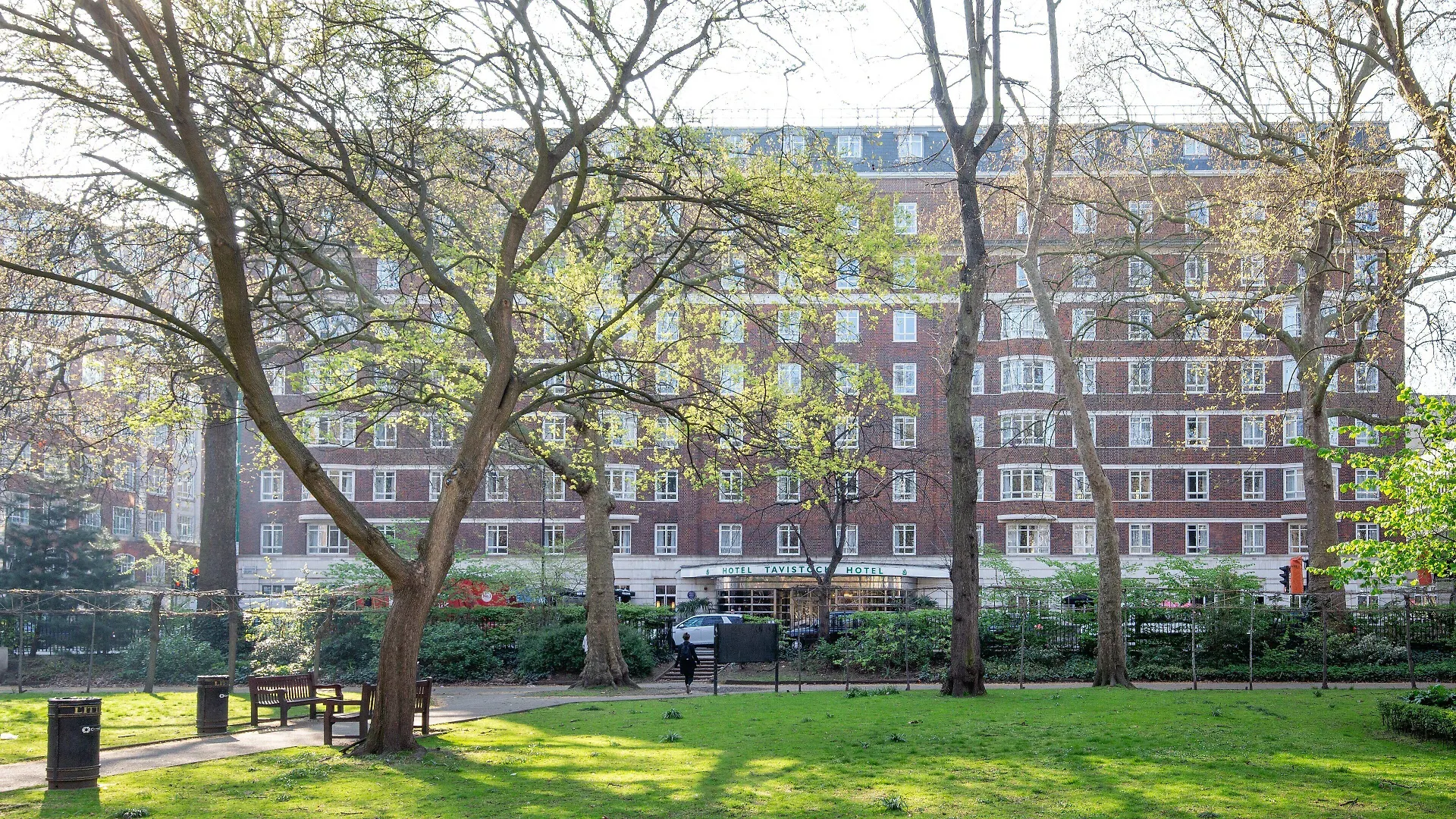
Street positioning within Central London matters more than most booking sites let on. In Bloomsbury, rooms on Tavistock Square and Russell Square sides of properties offer park views and noticeably less street noise than those facing Southampton Row or Euston Road. In Bayswater, Queensway and Inverness Terrace are walkable to Hyde Park in under 5 minutes, while also giving direct Central Line access at Queensway station. The Kensington corridor along Cromwell Road and Gloucester Road offers quieter residential streets with Tube access in under 3 minutes walk. Tower Hill properties on the EC3 boundary benefit from proximity to both the City's financial core and the riverside walk between Tower Bridge and London Bridge.
For transport, the Elizabeth Line from Paddington now connects Heathrow directly to Central London in around 40 minutes - a genuine improvement for airport transfers. Book at least 6 weeks ahead for July, August and the Christmas-New Year period to avoid rate spikes of around 40% above shoulder season. If your trip falls in March or April, you'll find the best combination of mild weather, lighter crowds and competitive hotel pricing. Central London's top draws - the British Museum, Hyde Park, Tower of London, Natural History Museum and the South Bank - are all reachable within 20 minutes on foot or a single Tube stop from the hotels listed here.
Best Value Stays
These three hotels deliver solid Central London positioning with accessible pricing across Bloomsbury and Bayswater - the two zones offering the strongest value-to-location ratio in the central zone.
-
1. Tavistock Hotel
Show on map


 Check-infrom 14:00 until 23:59Check-outuntil 11:00
Just a few rooms left at the best rate!
from£ 110
-
2. Central Park Hotel
Show on map


 Check-infrom 15:00 until 23:59Check-outuntil 11:00
Just a few rooms left at the best rate!
from£ 65
-
3. Hyde Park Boutique Hotel
Show on map


 Check-infrom 15:00 until 23:59Check-outuntil 11:00
Hurry – almost gone at this price!
from£ 37
Best Premium Stays
These two hotels sit at the upper end of the selection, with boutique design credentials in Kensington and a flagship IHG boutique property in Tower Hill - two locations with very different neighbourhood characters.
-
4. K Hotel Kensington
Show on map


 Check-infrom 14:00 until 23:59Check-outuntil 11:00
Hurry – almost gone at this price!
from£ 111
-
5. Hotel Indigo London Tower Hill By Ihg
Show on map


 Check-infrom 15:00 until 23:59Check-outfrom 10:00 until 11:00
Rooms filling fast – secure the best rate!
from£ 124
Smart Travel & Timing Advice For Central London
March and April are the most strategically sound months to visit Central London - hotel rates sit below peak summer levels, school groups haven't arrived yet, and the main outdoor attractions like Hyde Park and the South Bank are uncrowded. July and August bring the heaviest tourist volumes: queues at the Tower of London, British Museum and Natural History Museum routinely stretch outside, and hotel rates across all five properties in this guide spike accordingly. The Christmas period (mid-December to early January) sees a second pricing peak driven by theatre bookings and seasonal markets around Covent Garden and South Bank.
For a first visit covering Central London's main districts, four nights is the practical minimum to move between Bloomsbury, Kensington, Tower Hill and the South Bank without feeling rushed. Five to six nights allows for day trips to Windsor, Oxford or Greenwich without sacrificing time in the city. Early booking - at least 6 weeks out for summer, 8 weeks for Christmas - secures the best rate tier on refurbished rooms at properties like Central Park Hotel, which prices Original and refurbished rooms differently. Travelling mid-week rather than arriving on a Friday or Saturday also produces noticeably lower room rates across this selection. If budget is a priority, shoulder season stays (March-April or October-November) regularly bring rates around 30% below August peaks across Central London hotels.