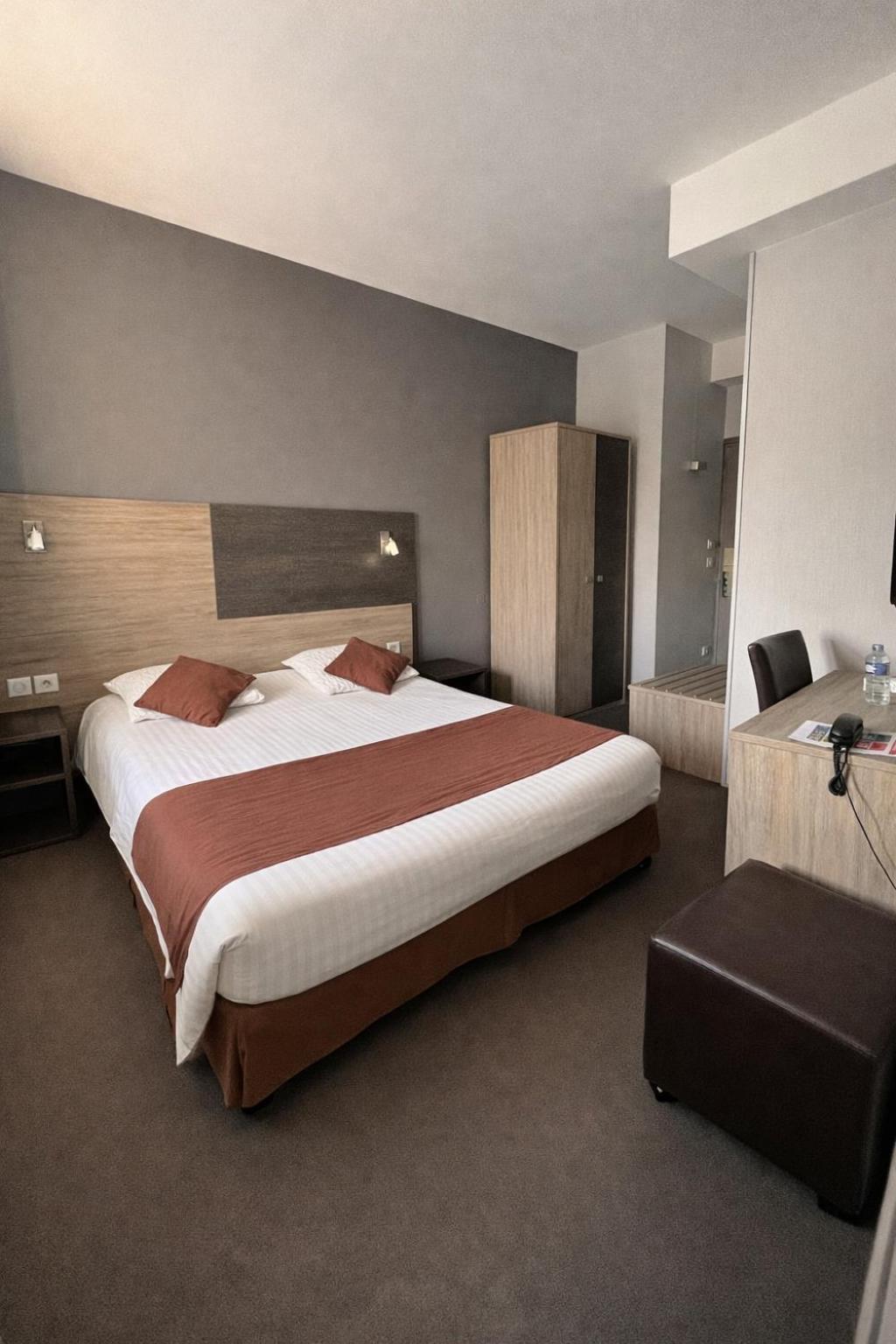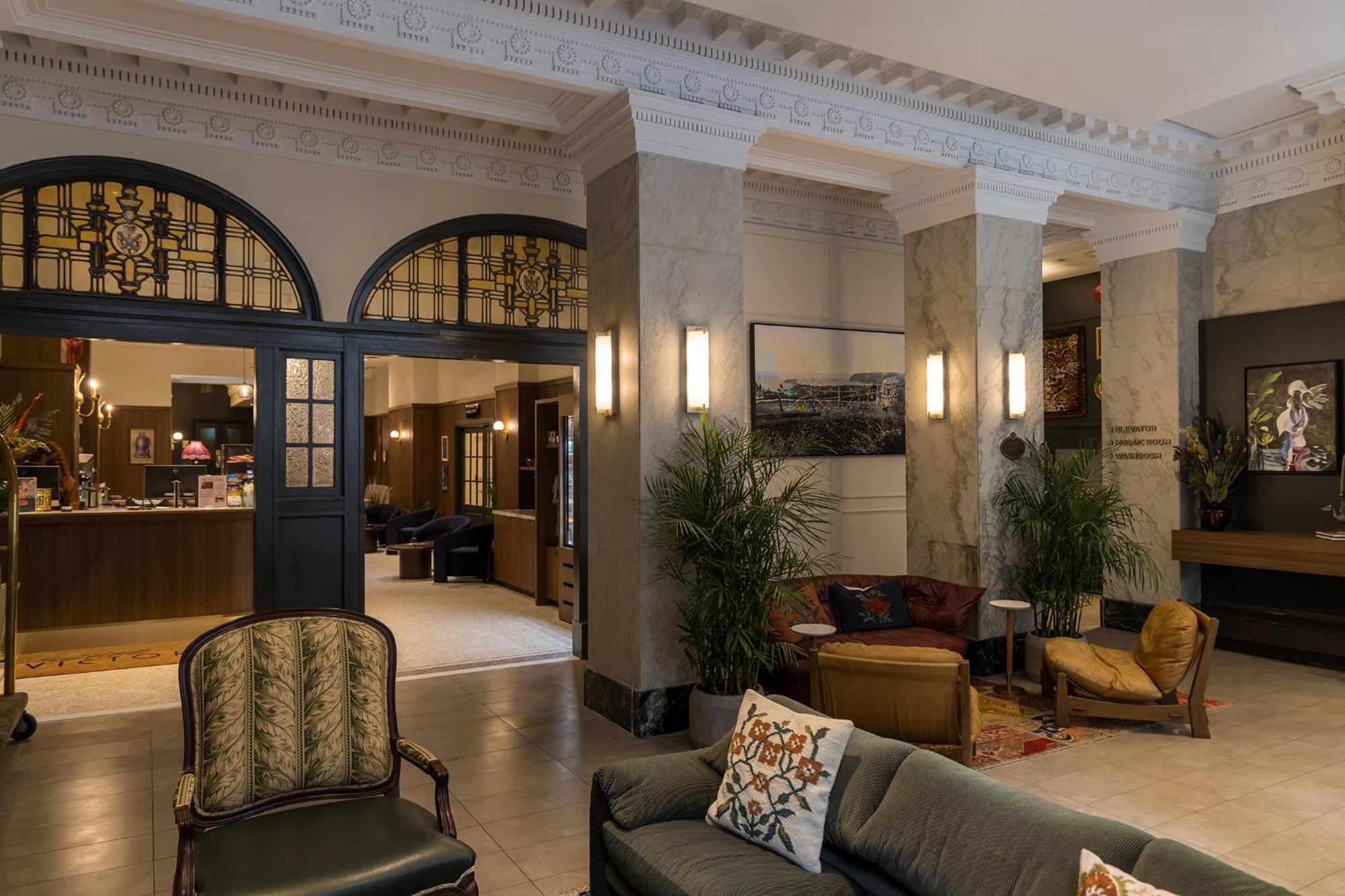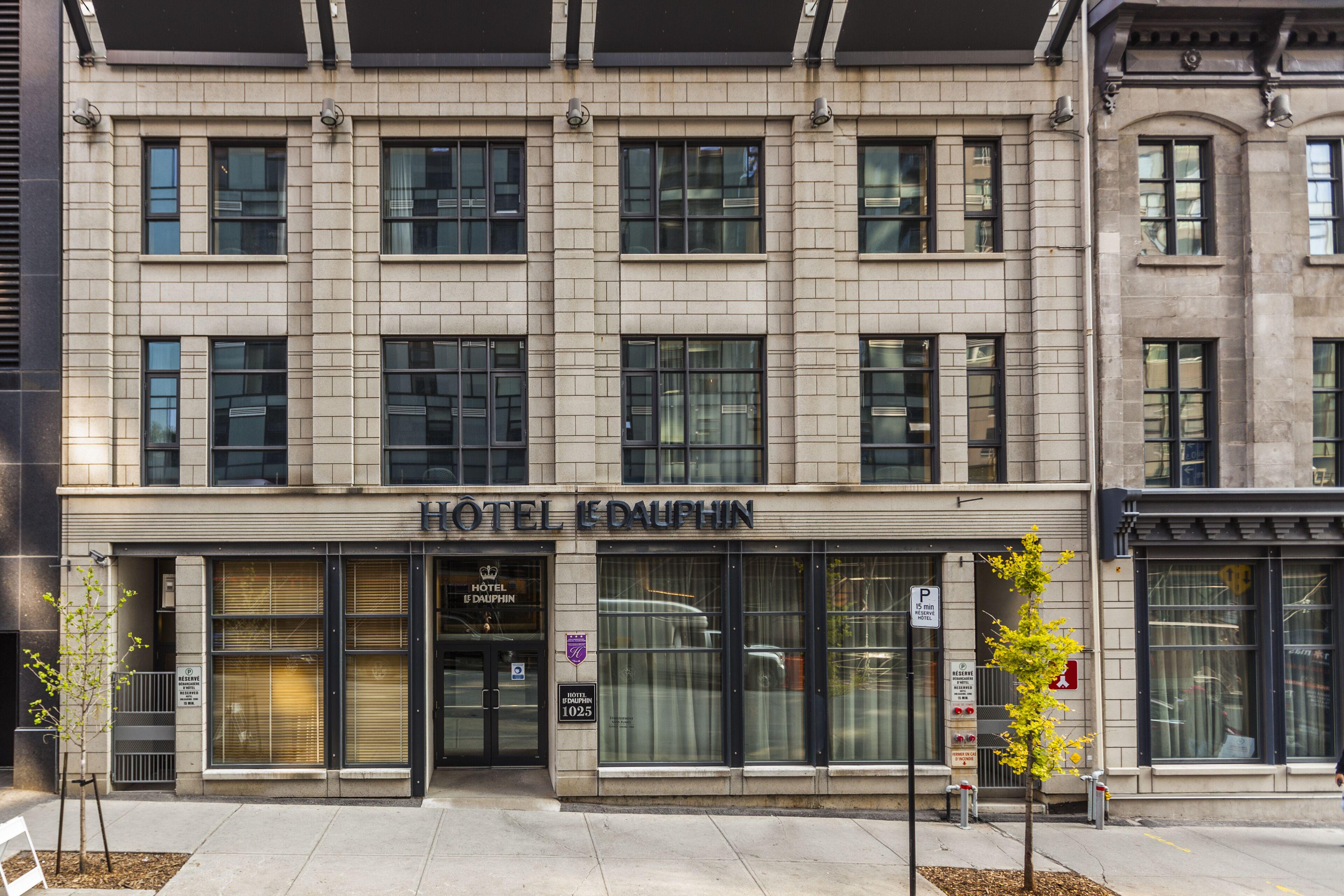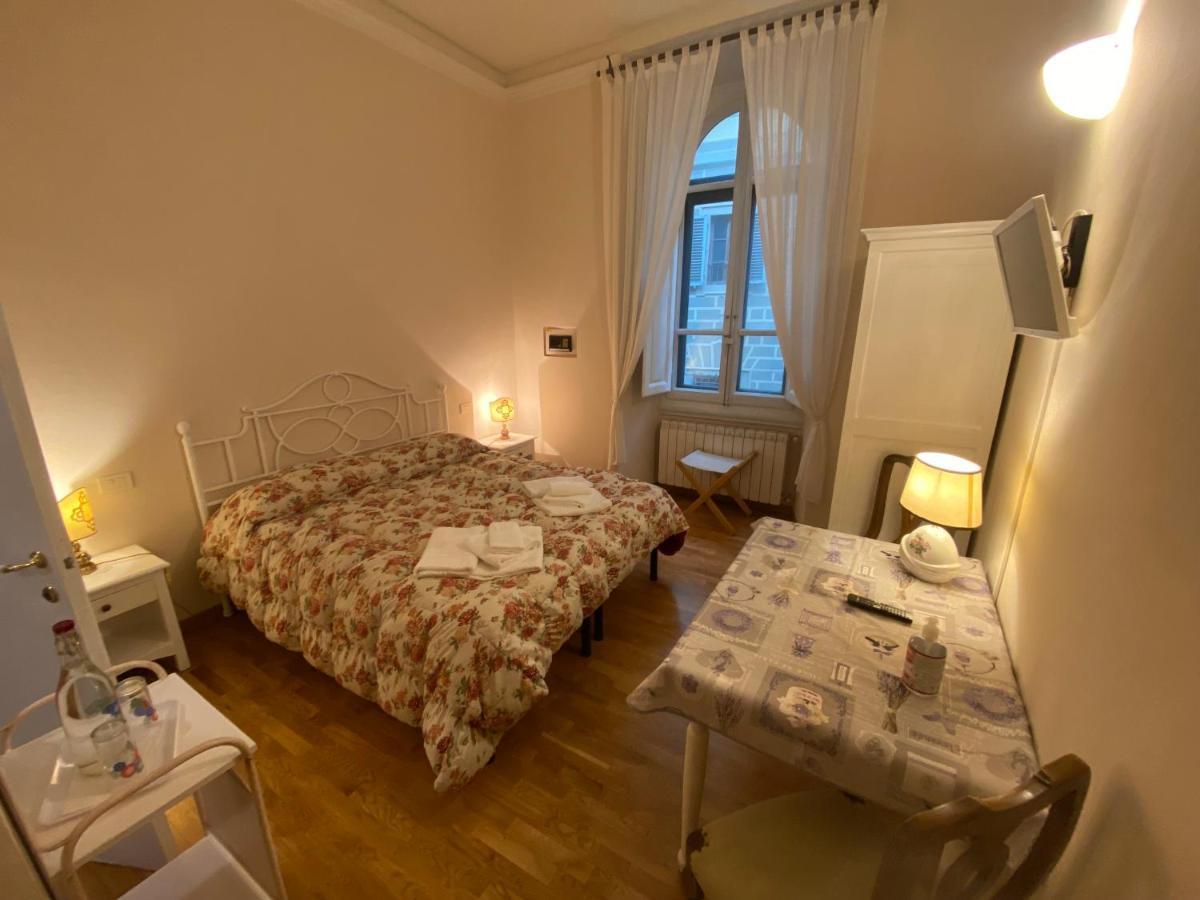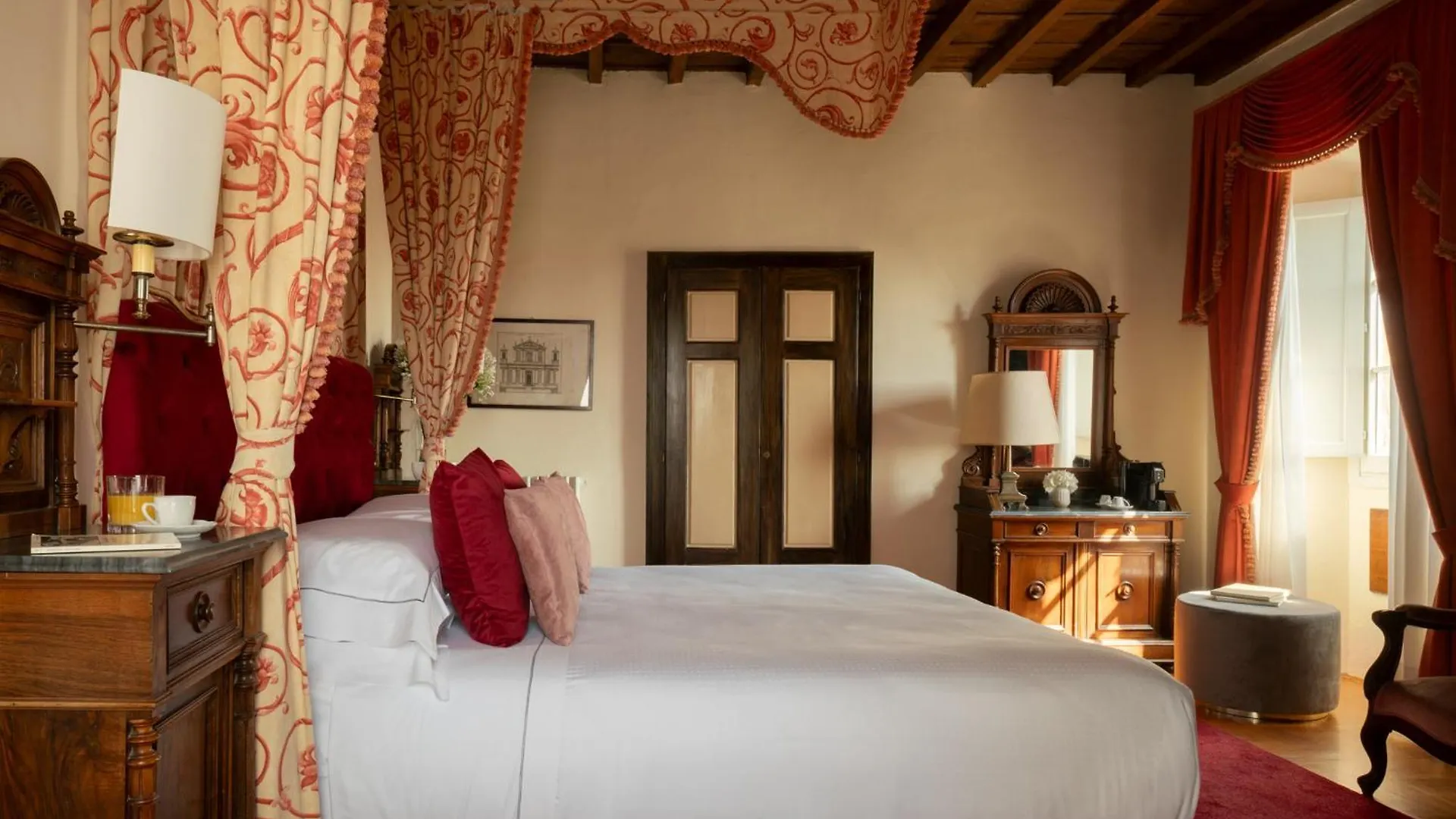
Florence's Historic Centre concentrates more UNESCO-listed architecture per square kilometre than almost anywhere else in Italy, and choosing the right boutique hotel here means the difference between waking up inside that history and simply visiting it. This guide breaks down the two standout boutique properties in the district - their exact positions, room realities, and the practical details that determine which one fits your trip.
What It's Like Staying In Florence Historic Centre
The Historic Centre is a fully pedestrianised core where nearly every major Florentine landmark sits within a 15-minute walk of the Duomo - the Uffizi Gallery, Ponte Vecchio, Piazza della Signoria, and the Accademia are all reachable on foot. Foot traffic on Via dei Calzaiuoli peaks from mid-morning until 9 pm, meaning the streets around your hotel will be consistently busy from April through October. Early risers gain an outsized advantage here: Piazza del Duomo and Piazza della Signoria are notably quieter before 8 am, making morning access to key sights one of the strongest arguments for staying in the district.
Travellers who prioritise zero commute time to Renaissance landmarks and are comfortable with urban sound levels benefit most. Those seeking silence, large rooms, or car access may find the Oltrarno or Fiesole more practical.
Pros:
- * Every major museum and landmark is walkable - no transit required for sightseeing
- * Accommodation buildings are often historic palazzi with genuine architectural character
- * Booking 8 weeks ahead for peak season secures significantly better rates and room selection
Cons:
- * Street noise from tourists, scooters, and early-morning waste collection is unavoidable in the core
- * Hotel rates in this district run among the highest in Florence, especially April-October
- * Room sizes in historic buildings are often constrained by the original palazzo layout
Why Choose Boutique Hotels In Florence Historic Centre
Boutique hotels in the Historic Centre occupy actual Renaissance and medieval buildings - 15th- and 16th-century palazzi where frescoed ceilings, marble floors, and antique furnishings are standard features rather than decorative choices. Unlike chain hotels, they typically offer fewer than 40 rooms, which translates into more attentive concierge service, curated room character, and direct access to local knowledge about crowd-free timing and hidden restaurants. The trade-off is real: standard rooms average smaller than comparable chain hotels, and soundproofing in stone-walled buildings varies room by room.
Boutique properties in this district charge a location premium, but they also deliver experiences - original frescoes, Duomo-facing suites, views over Renaissance squares - that larger hotels in outer neighbourhoods structurally cannot replicate.
Pros:
- * Architecturally authentic rooms inside genuine historic buildings, not modern constructions
- * Smaller guest count means personalized service and concierge depth unavailable at larger properties
- * Unique room configurations - suites with saunas, frescoed junior suites, spa-bath rooms - that justify the category premium
Cons:
- * Room sizes are often irregular due to original palazzo layouts - check square footage before booking
- * Limited or valet-only parking, as most buildings predate car access infrastructure
- * Noise levels depend heavily on room orientation - courtyard or inner-facing rooms are significantly quieter than square-facing ones
Practical Booking & Area Strategy
The strongest micro-locations in the Historic Centre cluster around Piazza del Duomo and Piazza Santissima Annunziata - both are walkable to the Uffizi in under 12 minutes and offer direct pedestrian access to Via dei Tornabuoni's high-end shopping. Via dei Servi, running north from the Duomo toward Santissima Annunziata, is one of the district's calmer residential streets, with noticeably less tourist foot traffic than the Calzaiuoli-Repubblica axis. For attractions, the Historic Centre places you steps from the Baptistery, Museo dell'Opera del Duomo, Piazza della Signoria, Palazzo Vecchio, and the Mercato Centrale - all without boarding a bus or tram. Peak season runs April through October, when available rooms in this district can drop by around 70% within two weeks of arrival; booking 6 to 8 weeks out is the minimum for boutique properties with limited inventory. January, February, and November offer the lowest nightly rates while most museums remain fully open, making them the most cost-effective months for a Historic Centre stay.
Best Value Stay
A 15th-century building on one of Florence's most architecturally significant squares, offering authenticated historic character at a more accessible price point than Duomo-facing suites.
-
1. Loggiato Dei Serviti
Show on map


 Check-infrom 14:00 until 23:59Check-outuntil 11:00
Just a few rooms left at the best rate!
from€ 102
Best Premium Stay
A direct Duomo-facing palazzo with suite-level room configurations - including private saunas and spa baths - and a full-service spa, representing the upper end of the boutique category in the Historic Centre.
-
2. Palazzo Niccolini Al Duomo Residenza D'Epoca
Show on map


 Check-infrom 14:00 until 21:00Check-outfrom 08:00 until 11:00
Hurry – almost gone at this price!
from€ 298
Smart Travel & Timing Advice
April through June and September through October are the highest-demand windows for boutique hotels in the Historic Centre - Palazzo Niccolini and Loggiato dei Serviti each have limited room inventories, so availability at preferred room types can disappear within days of a booking window opening. For spring travel, locking in a reservation around 8 weeks ahead is realistic minimum lead time. July and August bring maximum crowds to the Duomo and Uffizi queues, with street temperatures regularly above 35°C; rooms at this time are expensive and the experience can feel saturated with day-trippers. November through February offers the lowest nightly rates and genuinely navigable museum lines - the Accademia and Uffizi are accessible without same-day queuing - making it the most efficient season for a culture-focused stay. A 3-night minimum in the Historic Centre is generally the breakeven point where the location premium justifies itself: enough time to walk every major site, attend an evening event, and still absorb the neighbourhood rhythm before checkout. Last-minute bookings in high season almost never yield boutique properties in this specific district - they fill before discounts apply.