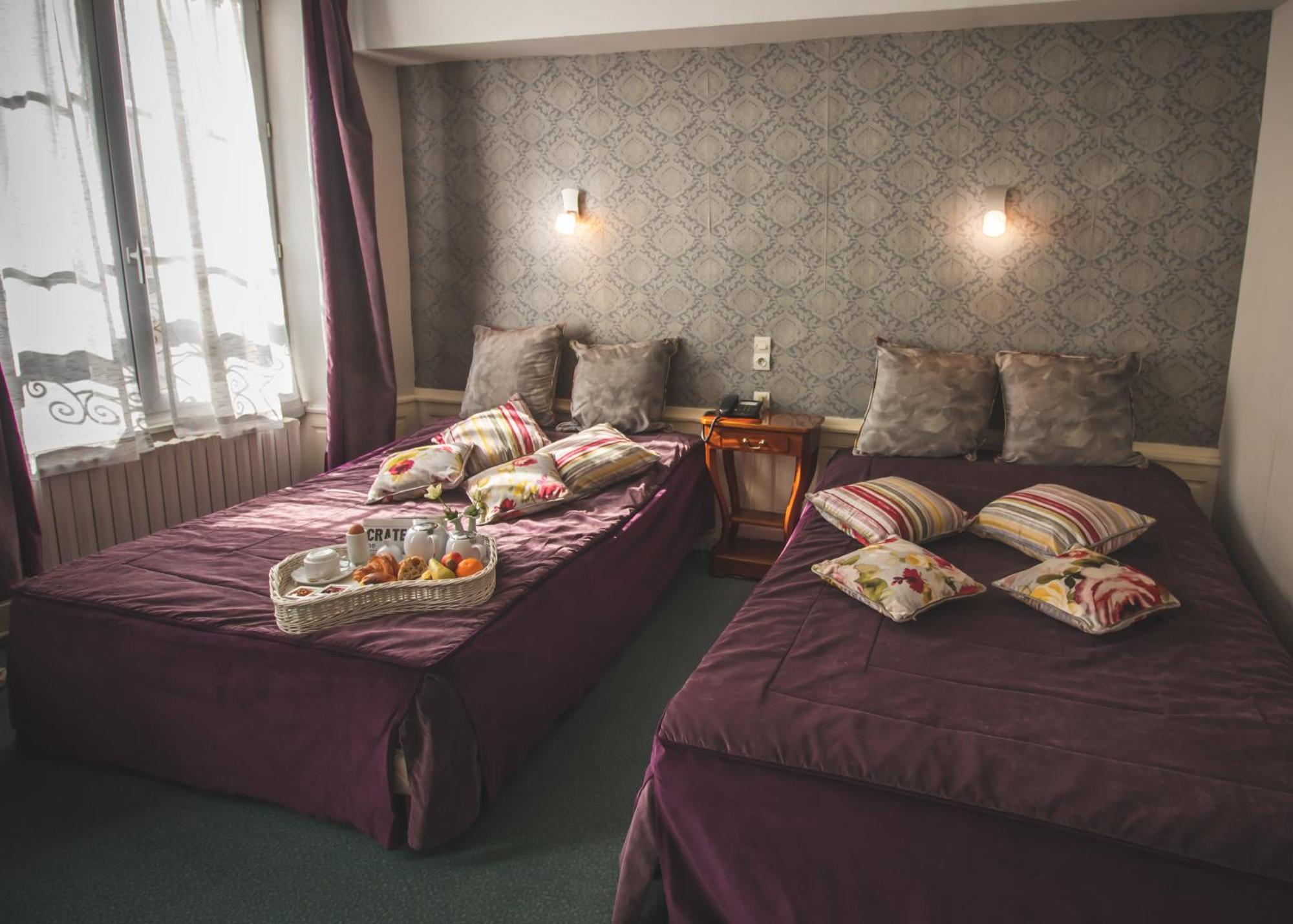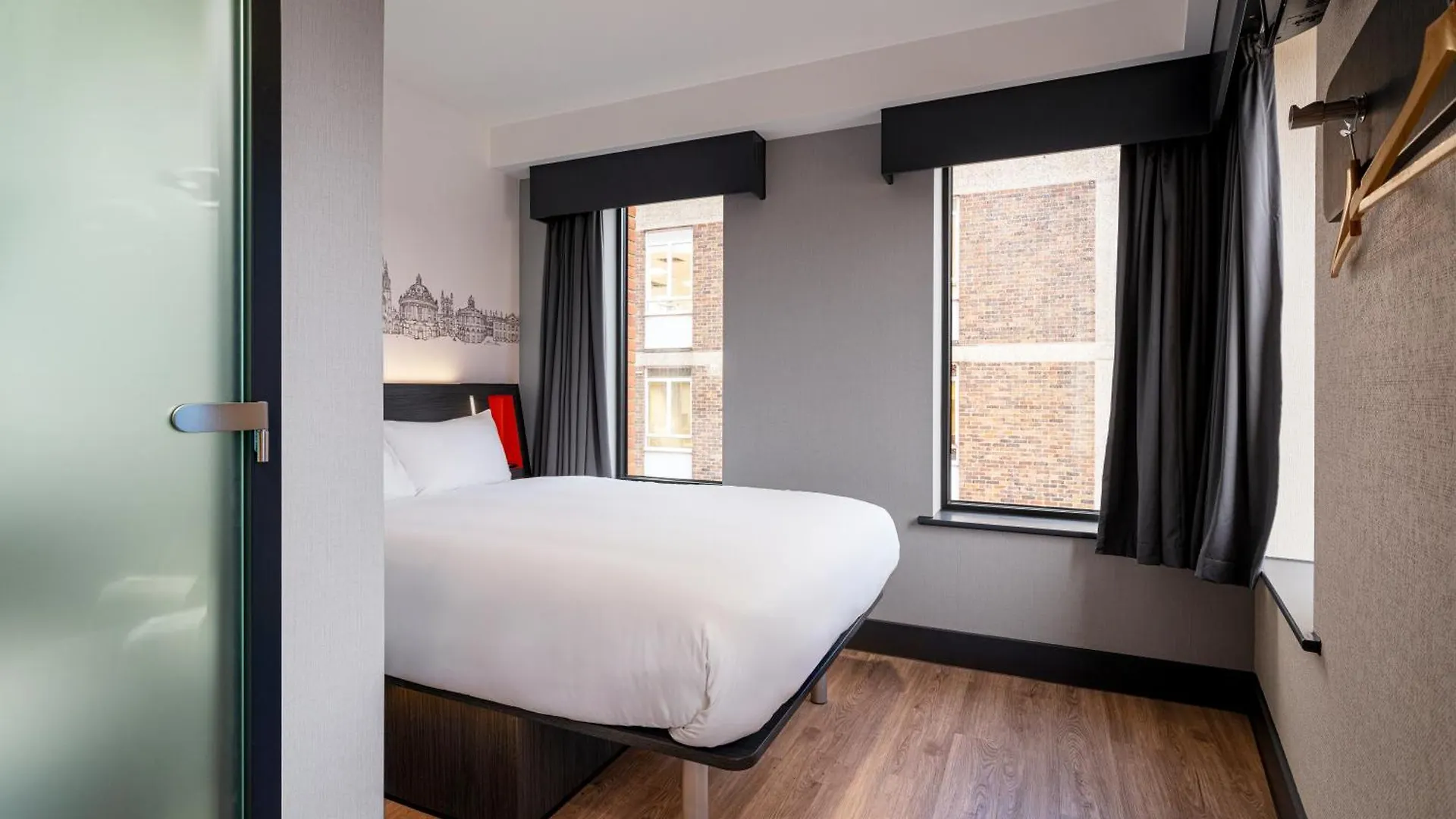
Oxfordshire sits at the crossroads of historic England, anchoring Oxford's university cityscape to the north Cotswolds edge, the Cherwell Valley, and the Thames corridor. These 4 three-star hotels in Oxfordshire cover that range - from a medieval coaching inn near Burford to a branded city hotel on Oxford's southern fringe - giving travellers real choice based on location, pace, and purpose.
What It's Like Staying in Oxfordshire
Oxfordshire is one of the most logistically varied counties in England: Oxford city itself draws academic tourism, weekend breaks, and business visitors year-round, while the rural north and west - Burford, Deddington, the Cotswolds fringe - attract guests seeking slower-paced countryside stays. Transport splits sharply by location - Oxford has strong rail links to London Paddington (around 60 minutes), but rural Oxfordshire towns like Deddington require a car. Crowd pressure is highest in Oxford between May and September, particularly around graduation ceremonies and summer tourism, while the countryside villages stay quieter and more consistent throughout the year.
Pros:
- Exceptional variety of stay types within one county - from Oxford's colleges and culture to the Cotswolds edge and Thames Valley villages
- Oxford has direct rail access to London Paddington, making it one of the most connected regional cities in the UK
- Rural Oxfordshire towns like Burford and Deddington offer authentic English countryside experiences with far lower visitor pressure than peak Cotswolds hotspots
Cons:
- A car is essential for most of rural Oxfordshire - public transport between villages is infrequent and slow
- Oxford city centre parking is expensive and limited; hotels with free parking offer significant logistical value
- Summer weekends in Oxford push accommodation demand sharply, making last-minute bookings difficult and costly
Why Choose 3-Star Hotels in Oxfordshire
Three-star hotels in Oxfordshire occupy a strategically useful middle ground: they typically include free parking and free WiFi - both critical in a county where driving between sites is standard - without the price premium of boutique or four-star properties. In Oxford city, 3-star rates can run around 30% below comparable four-star options while still offering en-suite rooms, on-site bars, and 24-hour reception. In rural Oxfordshire, the 3-star category frequently overlaps with characterful coaching inns that deliver far more atmosphere per pound than modern budget chains, with the added advantage of on-site restaurants serving locally sourced menus.
Pros:
- Most 3-star properties in Oxfordshire include free parking - a practical saving worth noting in both Oxford and rural towns where paid parking is the norm
- Rural 3-star inns often include restaurant access with locally sourced seasonal menus, removing the need to drive out for dinner
- The category spans both city and countryside locations, making it easy to find a 3-star hotel suited to a mixed itinerary
Cons:
- Room sizes at 3-star city hotels in Oxford tend to be compact - prioritising location and price over space
- Coaching inn properties, while atmospheric, often have fewer rooms and book up faster for weekend stays
- Amenities like fitness facilities or room service are inconsistent across this category in Oxfordshire
Practical Booking & Area Strategy
For Oxford city visits, positioning near the south side - around the Kassam Stadium area - gives free parking and easy A34 access, though it adds a short drive or bus ride to the historic centre. For Cotswolds access, a stay near Burford on the A40 corridor puts Bibury, Bourton-on-the-Water, and Stow-on-the-Wold all within a 20-minute drive, eliminating the need to navigate peak-hour Cotswolds routes from Oxford. Deddington, in north Oxfordshire, is a practical base for Blenheim Palace, Broughton Castle, and Banbury, sitting just 10 minutes from the M40. Key attractions across the county include the University of Oxford colleges, Blenheim Palace (a UNESCO World Heritage Site), the Cotswolds villages, and Bicester Village for retail - each pulling very different visitor profiles. Book at least 6 weeks ahead for summer weekends in Oxford city, while rural properties tend to have more availability mid-week year-round.
Best Value Stays
These two properties deliver strong practical value - one with stripped-back city pricing in Oxford, the other with countryside character and a highly regarded restaurant in north Oxfordshire.
-
1. Easyhotel Oxford
Show on map


 Check-infrom 15:00 until 23:59Check-outuntil 10:00
Just a few rooms left at the best rate!
from£ 79
-
2. The Deddington Arms
Show on map


 Check-infrom 14:00 until 23:00Check-outuntil 11:00
Just a few rooms left at the best rate!
from£ 89
Best Premium Stays
These two properties offer more facilities, stronger dining credentials, or branded consistency - suited to guests who want added amenities alongside their Oxfordshire base.
-
3. Hampton By Hilton Oxford
Show on map


 Check-infrom 15:00 until 23:59Check-outuntil 11:00
Hurry – almost gone at this price!
from£ 79
-
4. Inn For All Seasons
Show on map


 Check-infrom 15:00 until 22:00Check-outuntil 11:00
Rooms filling fast – secure the best rate!
from£ 224
Smart Travel & Timing Advice for Oxfordshire
Oxfordshire has two distinct peak periods: Oxford city peaks between May and August, driven by university events, graduation season, and summer tourism, while the Cotswolds fringe - including Burford - sees its busiest weekends from June through September. Prices at Oxford city hotels can spike by around 40% during graduation weekends in late June and early July, making early booking essential if those dates overlap with your trip. The shoulder seasons - April to early May and October - offer the best balance of mild weather, manageable crowds, and mid-week pricing flexibility across both city and rural properties. For the Cotswolds-adjacent inns, winter weekdays are the quietest and cheapest, though some amenities and nearby attractions reduce hours. A minimum of 2 nights is recommended for any rural Oxfordshire stay to make the most of driving distances between key sites like Blenheim Palace, the Cotswolds villages, and Oxford's historic centre - a single night rarely allows enough time to explore more than one area meaningfully.