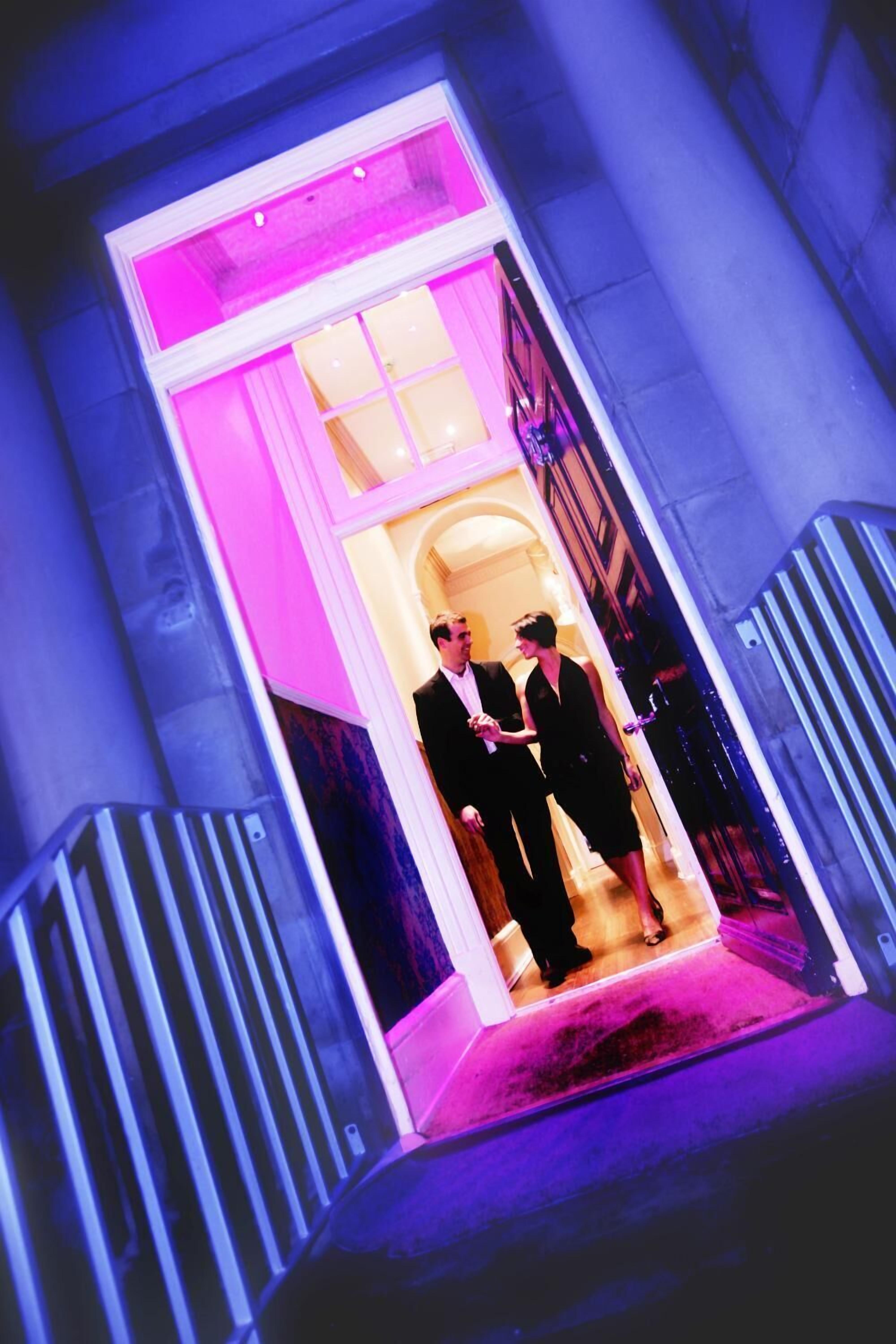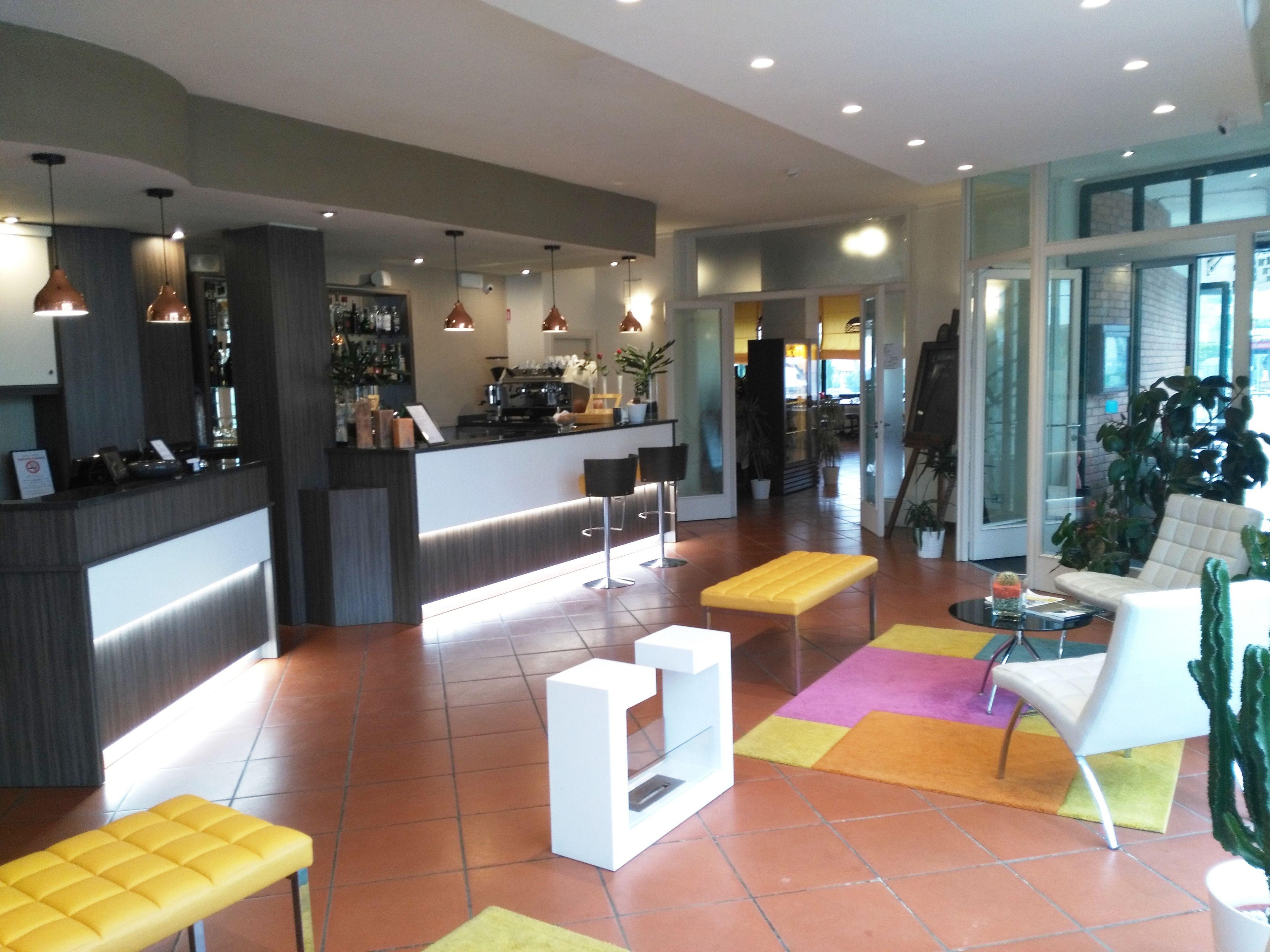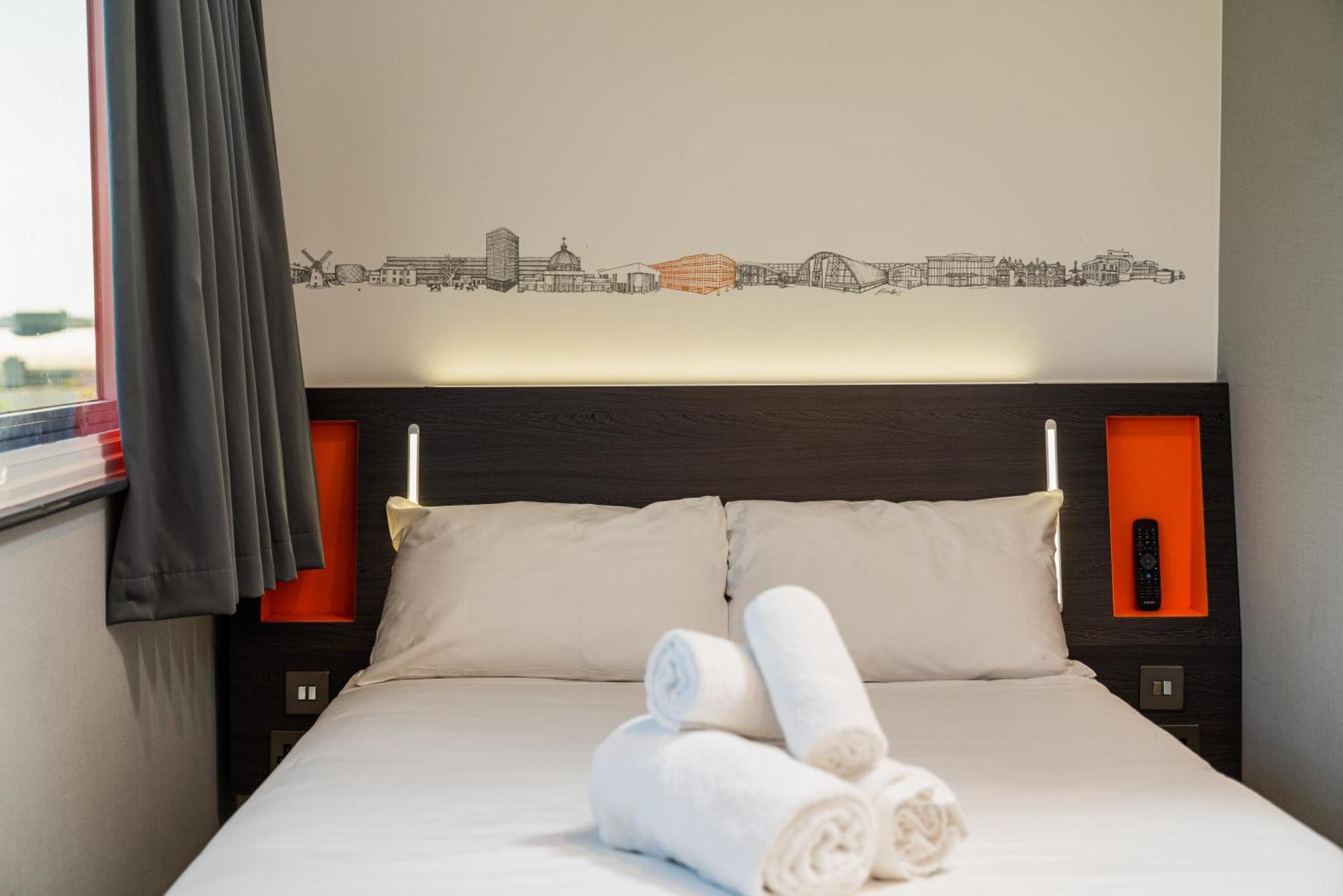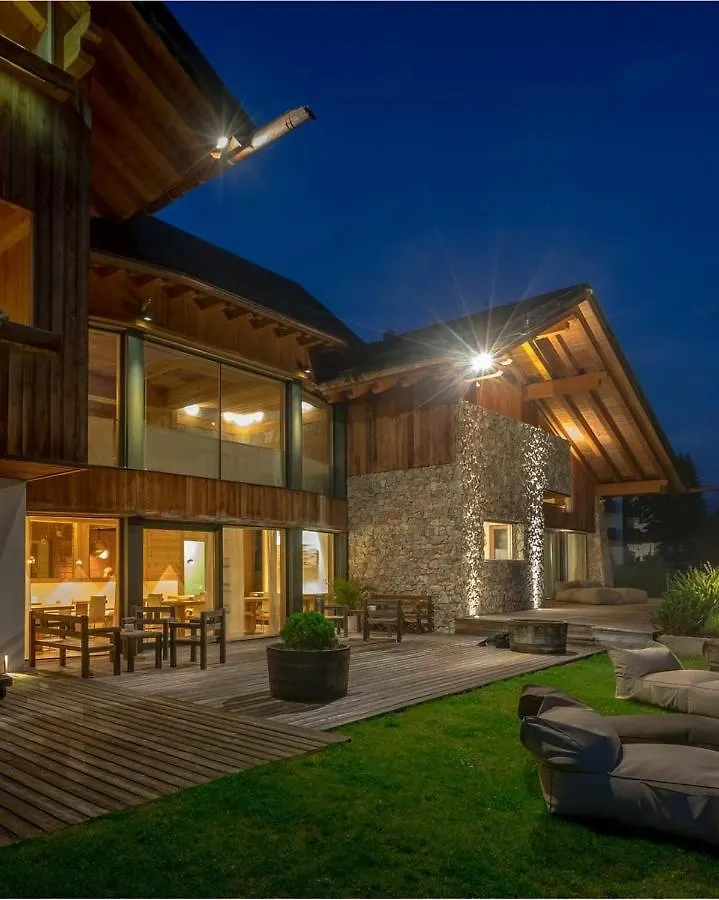
Sappada is a small Alpine village straddling the border between Friuli-Venezia Giulia and the Dolomites, drawing skiers, hikers, and mountain seekers who want direct access to the slopes and trails without commuting from a larger town. Staying centrally in Sappada means you're within walking distance of the main strip - locally known as the borgata system - a cluster of historic hamlets that form the village's backbone. This guide breaks down 4 central hotels in Sappada to help you compare options and book with confidence.
What It's Like Staying in Sappada
Sappada is not a compact resort town - it's a linear village made up of around 15 traditional borgate (hamlets) stretching along a single valley road, so your exact hotel position within the village matters more than the town name alone. Central areas like Cima Sappada and Bach put you close to the ski lifts, restaurants, and the weekly market without needing a car for daily errands. Most guests rely on walking or a short drive, as public transport within the village is minimal and scheduled buses to Tolmezzo or Cortina run only a few times daily.
Pros:
- Direct access to ski lifts and snowshoe trails from central borgate, with slopes reachable on foot in under 10 minutes from most central stays
- A quieter Alpine atmosphere compared to larger Dolomite resorts like Cortina d'Ampezzo, meaning fewer crowds and more authentic local dining options
- Free parking is standard at most central hotels, eliminating a cost that can add up significantly at comparable mountain resorts
Cons:
- The village's linear layout means a hotel described as "central" could still be a 15-minute walk from the ski lift base if not carefully checked
- Limited nightlife and no large supermarket - guests planning self-catering stays need to stock up in Comeglians or Santo Stefano di Cadore
- Off-season (late April to late June, and October to late November) sees many restaurants and facilities closed, making the village feel sparse
Why Choose Central Hotels in Sappada
Central hotels in Sappada sit within or immediately adjacent to the most active borgate, giving guests walking access to the ski area, local Alpine restaurants serving cjarsons (traditional Carnian pasta) and Friulian cheeses, and the cross-country skiing network that loops through the valley. Unlike edge-of-village accommodation, centrally located properties typically reduce daily driving - important when roads are icy or closed after heavy snowfall. Prices at central 3-star hotels in Sappada typically run around 20% higher than equivalent properties at the village outskirts, but the convenience gain during ski season justifies the difference for most guests.
Pros:
- Walking distance to the Sappada ski area lifts and the cross-country skiing loop without using a car, even in poor weather conditions
- Clustered proximity to the best local restaurants and the traditional Alpine market held in the central borgate
- Most central hotels include breakfast and free parking as standard, making the slightly higher nightly rate genuinely cost-effective
Cons:
- Central Sappada hotels are smaller and fill up fast, especially during the Christmas-New Year period and the February school holiday weeks
- Room sizes at central properties trend smaller than at resort-style hotels further from the core, particularly in historic chalet buildings
- Noise from après-ski activity near the lift base can affect light sleepers staying in the most central borgate on weekend evenings
Practical Booking & Area Strategy in Sappada
For ski-focused stays, prioritize properties near Cima Sappada - the highest borgata and closest to the Passo Monte Croce Carnico lift system, where runs connect to the Austrian Helm ski area. Guests visiting in summer for hiking should consider staying near Bach or Granvilla, which offer quicker access to the Val Sesis trailhead and the Sappada waterfall walk (Cascate di Sappada), one of the valley's most-walked routes. Book at least 8 weeks ahead for Christmas and February school holiday weeks, when occupancy across all central hotels reaches capacity and rates spike sharply. For summer hiking visits, late June and September offer lower prices and trails free of the August crowd peak, which is when Italian domestic tourism fills the village almost entirely. The drive from Venice is around 2.5 hours via the A27 motorway to Longarone, making Sappada viable as part of a longer Dolomite circuit combining Cortina, Misurina, and the Carnic Alps.
Best Value Stays
These properties offer strong central positioning in Sappada at a price point that works for families and repeat visitors who prioritize access over premium finishes.
-
1. Chalet Le Coccole
Show on map


 Check-infrom 14:00 until 20:00Check-outfrom 10:00 until 11:00
Just a few rooms left at the best rate!
from€ 179
-
2. Hotel Sport
Show on map


 Check-infrom 11:00 until 18:00Check-outfrom 07:00 until 10:00
Just a few rooms left at the best rate!
from€ 154
Best Premium Stays
These well-established hotels in central Sappada offer a fuller service experience, suited to guests who want on-site dining, a more traditional Alpine hotel structure, and a recognized address in the village.
-
3. Hotel Posta
Show on map


 Check-infrom 14:00 until 23:00Check-outfrom 07:00 until 10:00
Hurry – almost gone at this price!
from€ 110
-
4. Hotel Valgioconda
Show on map


 Check-infrom 13:00 until 21:00Check-outfrom 08:00 until 10:00
Rooms filling fast – secure the best rate!
from€ 171
Smart Travel & Timing Advice for Sappada
Sappada operates on two clear seasons: winter (December to late March) and summer (late June to August), with shoulder periods that are genuinely quiet and commercially limited. The Christmas to New Year window and the February school holiday weeks are when central hotels fill earliest - expect to book at least 8 weeks ahead for those dates, and anticipate rates running around 30% above the standard winter baseline. For skiing without the crowds, early January after the New Year rush and mid-March before Easter offer the best combination of good snow cover and available rooms. Summer visits are best timed for late June or September: trails are open, temperatures stay manageable for hiking, and the village is noticeably less congested than in August when Italian domestic tourism dominates. A stay of 4 nights gives enough time to cover the ski area or the main hiking circuits without feeling rushed, while also allowing a day trip to Cortina d'Ampezzo or the 3 Cime di Lavaredo. Last-minute bookings in Sappada rarely yield savings during peak periods - the limited room stock across all central hotels means availability, not price, becomes the constraint first.