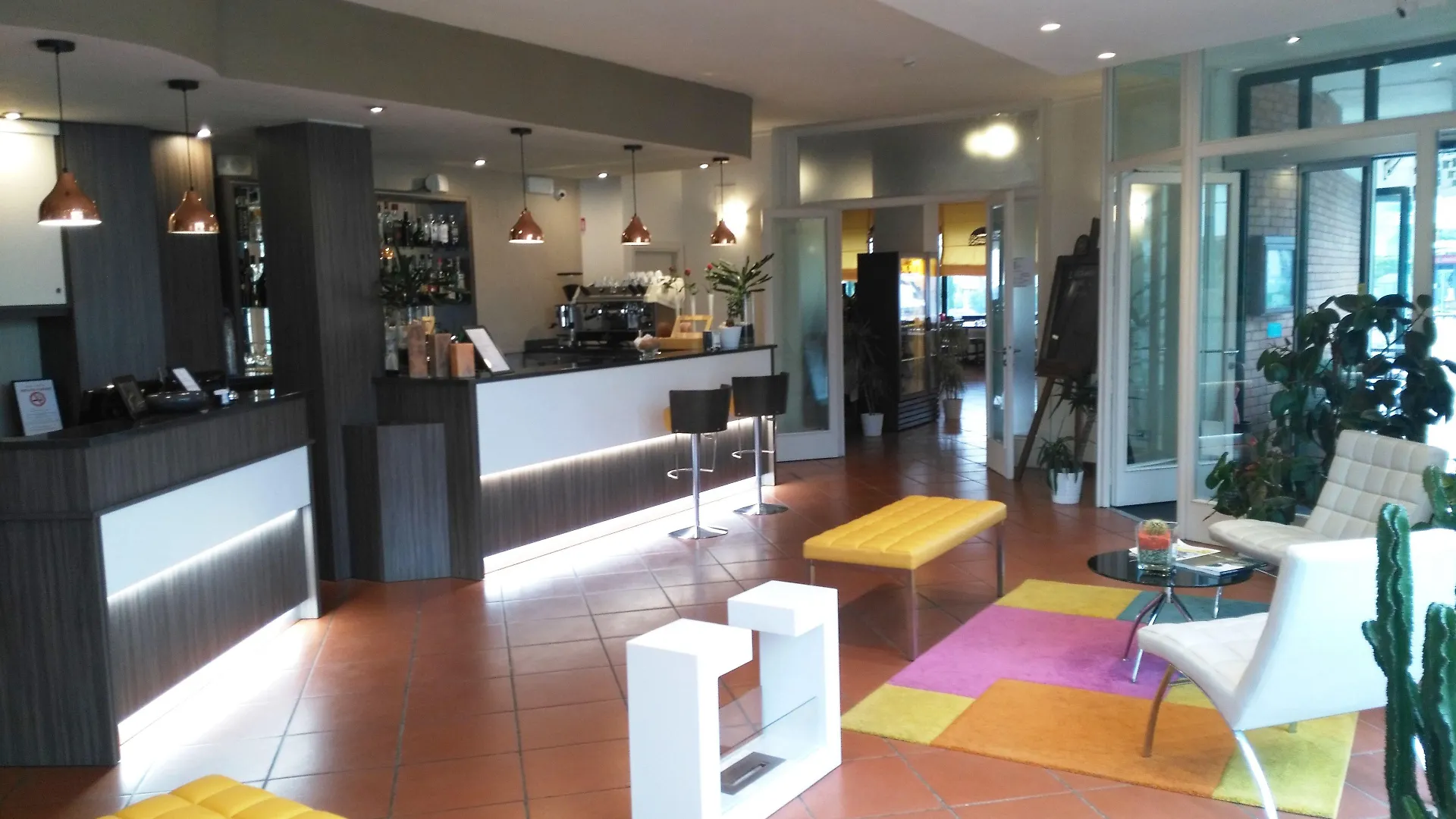
The Firenze Area extends well beyond the city walls, spanning a network of Tuscan towns - from Greve in Chianti to Figline Valdarno and Vinci - each offering a distinct pace, landscape, and proximity to Florence. Travelers who stay in this wider region gain access to vineyards, hillside trails, and historic village centers while avoiding Florence's overcrowded city-center hotels. This guide compares 4 centrally located hotels across the Firenze Area to help you choose the right base for your Tuscany trip.
What It's Like Staying in the Firenze Area
The Firenze Area covers a diverse mix of landscapes - medieval hilltop towns, wine country roads, and river valley corridors - all within around 40 km of Florence's city center. Transport varies significantly by zone: towns like Figline Valdarno have direct train connections to Florence in under 30 minutes, while villages in the Chianti hills rely primarily on private vehicles or infrequent bus services. Staying outside Florence itself means fewer crowds, more authentic Tuscan character, and significantly lower accommodation rates, but it requires planning around transport logistics.
Pros:
- Far fewer tourists than central Florence, with genuine local atmosphere in towns like Greve in Chianti and Vinci
- Free private parking is standard across most properties in the area - a major saving compared to Florence city hotels
- Direct access to Chianti wine routes, Leonardo da Vinci's birthplace in Vinci, and medieval Valdarno villages
Cons:
- Many attractions and restaurants in smaller towns close early or on specific days, limiting spontaneous evening plans
- Without a car, reaching Chianti hill properties requires relying on infrequent regional buses
- Florence's main sights - the Uffizi, Duomo, Ponte Vecchio - require a daily commute of around 40 minutes from the furthest zones
Why Choose a Central Hotel in the Firenze Area
Central hotels in the Firenze Area are positioned within or immediately adjacent to their respective town centers, giving guests walkable access to local amenities, restaurants, and transport links without the isolation of a purely rural retreat. Unlike agriturismo stays scattered across farmland, these properties offer structured services - restaurants, bars, 24-hour desks - alongside the Tuscan countryside setting. Rates are consistently lower than comparable Florence city-center hotels, while room sizes tend to be more generous and parking is almost universally free.
In zones like Figline Valdarno, a centrally located hotel means a 10-minute walk to the train station and direct rail access to Florence, making day-tripping straightforward. In Chianti, central positioning means you're within 1 km of the village piazza while still surrounded by vineyards and olive groves. The trade-off is car dependency for inter-town movement, especially if your itinerary includes multiple Tuscan destinations.
Pros:
- Walkable access to each town's historic center, market, and dining options without needing a car for daily errands
- Structured hotel services (restaurant, bar, room service) that rural agriturismos typically don't offer
- Lower nightly rates than Florence city-center hotels, with more space and included parking
Cons:
- "Central" in small Tuscan towns still means limited nightlife and fewer dining choices than Florence
- Some properties are only partially air-conditioned, which matters during July and August heat
- Cross-town connections between Chianti, Valdarno, and Vinci require a car - public transport between these zones is minimal
Practical Booking & Area Strategy for the Firenze Area
Figline Valdarno is the most transport-connected base in this region, with frequent trains reaching Florence Santa Maria Novella in around 30 minutes - making it a reliable choice for travelers who want countryside accommodation with easy city access. Greve in Chianti, by contrast, is best suited to travelers with a rental car: the village sits at the heart of the Chianti Classico wine route and is surrounded by estates producing Sangiovese and olive oil, but bus frequency to Florence drops sharply in the evenings. Vinci, birthplace of Leonardo da Vinci, draws visitors to its namesake museum and hilltop castle, and works well as a quieter overnight stop when touring northern Tuscany.
Book at least 6 weeks ahead for summer stays in Chianti properties - demand from wine tourism and cycling groups fills these hotels quickly between May and September. For the Valdarno corridor, shoulder season (March-April and October) offers the best combination of mild weather, open vineyards, and lower rates. Popular attractions in the wider Firenze Area include the Castello di Brolio, the Museo Leonardiano in Vinci, the Certosa di Galluzzo monastery, and the Romanesque churches scattered along the Via Cassia - most require a car to reach efficiently.
Best Value Stays
These two hotels offer solid central positioning in their respective towns, structured services, and free parking - strong value for travelers who want a reliable Tuscan base without premium pricing.
-
1. Hotel Alexandra
Show on map


 Check-infrom 15:00 until 23:59Check-outuntil 10:00
Just a few rooms left at the best rate!
from€ 137
-
2. Hotel Toscana
Show on map


 Check-infrom 14:30 until 21:00Check-outfrom 07:00 until 10:00
Just a few rooms left at the best rate!
from€ 70
Best Premium Stays
Both properties are set in the Chianti hills within 1 km of Greve in Chianti's town center, offering panoramic pools, wine estate heritage, and more immersive Tuscan experiences - suited to travelers prioritizing atmosphere and setting alongside central access.
-
3. Borgo Del Cabreo
Show on map


 Check-infrom 14:30 until 20:00Check-outfrom 08:00 until 10:00
Hurry – almost gone at this price!
from€ 298
-
4. Terre Di Baccio
Show on map


 Check-infrom 16:00 until 20:00Check-outfrom 08:00 until 10:00
Rooms filling fast – secure the best rate!
from€ 340
Smart Travel & Timing Advice for the Firenze Area
The Firenze Area follows a pronounced seasonal pattern driven largely by Chianti wine tourism and Florence day-tripper overflow. April through June is the optimal window for this region: vineyards are green, temperatures are moderate, accommodation rates have not yet hit peak levels, and major sites like Greve in Chianti's wine market and Vinci's Leonardo museum are open without summer-level crowds. July and August bring intense heat - regularly above 35°C in the Arno Valley - and Chianti properties with pools fill quickly; booking at least 8 weeks out is strongly advisable for this period.
October is the single most competitive month for availability across the entire Firenze Area due to the grape harvest season (vendemmia), which draws wine enthusiasts from across Europe to Chianti estates. Shoulder season in March and November offers the lowest rates and near-empty roads through the Chianti hills, though some smaller restaurants and seasonal pool facilities will be closed. For most itineraries, a minimum of 3 nights in the Firenze Area makes practical sense - enough to cover Florence as a day trip, explore one or two Chianti wine estates, and absorb the slower rhythm of a Tuscan hill town without feeling rushed.